Vespa Capital Golf Day, Lasting Impact |
Vespa Capital Golf Day, Lasting Impact |
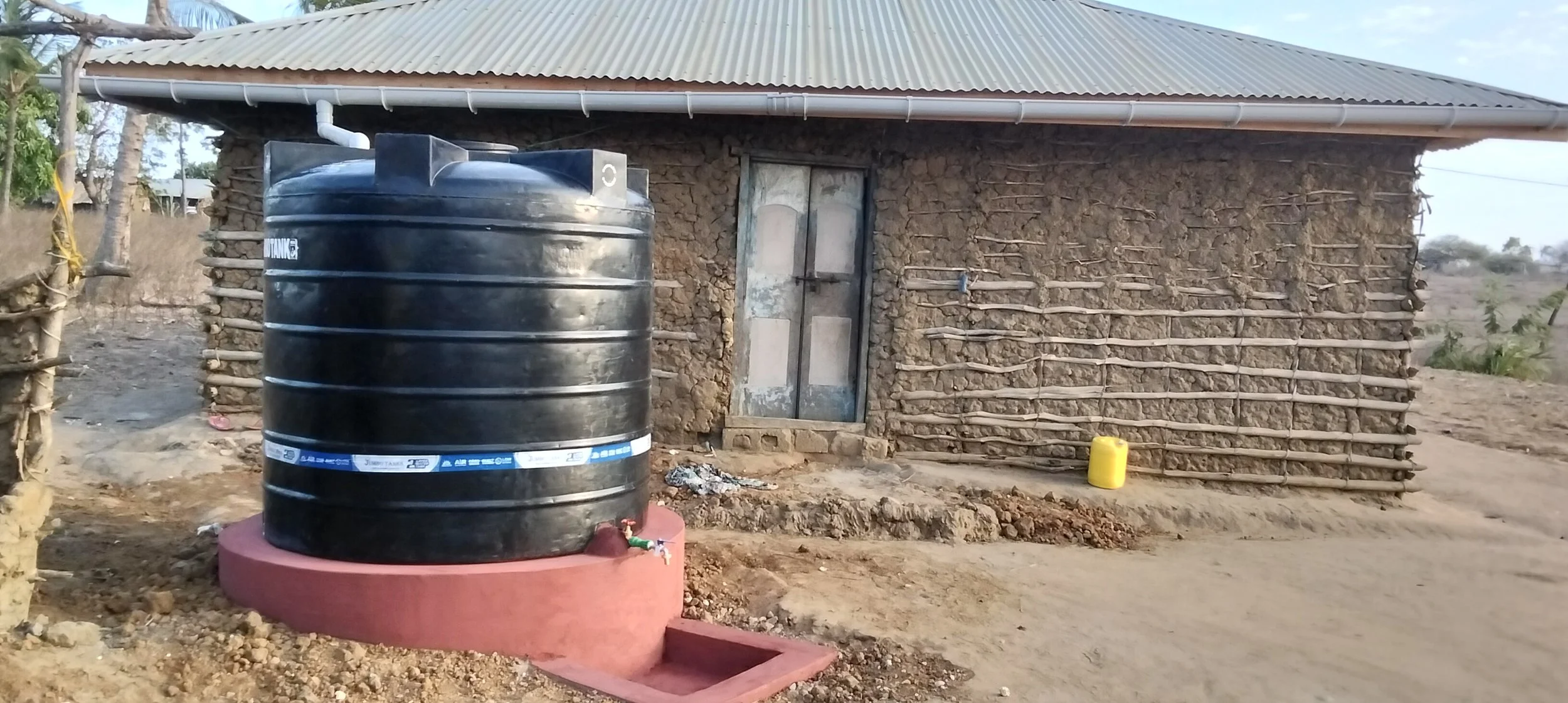
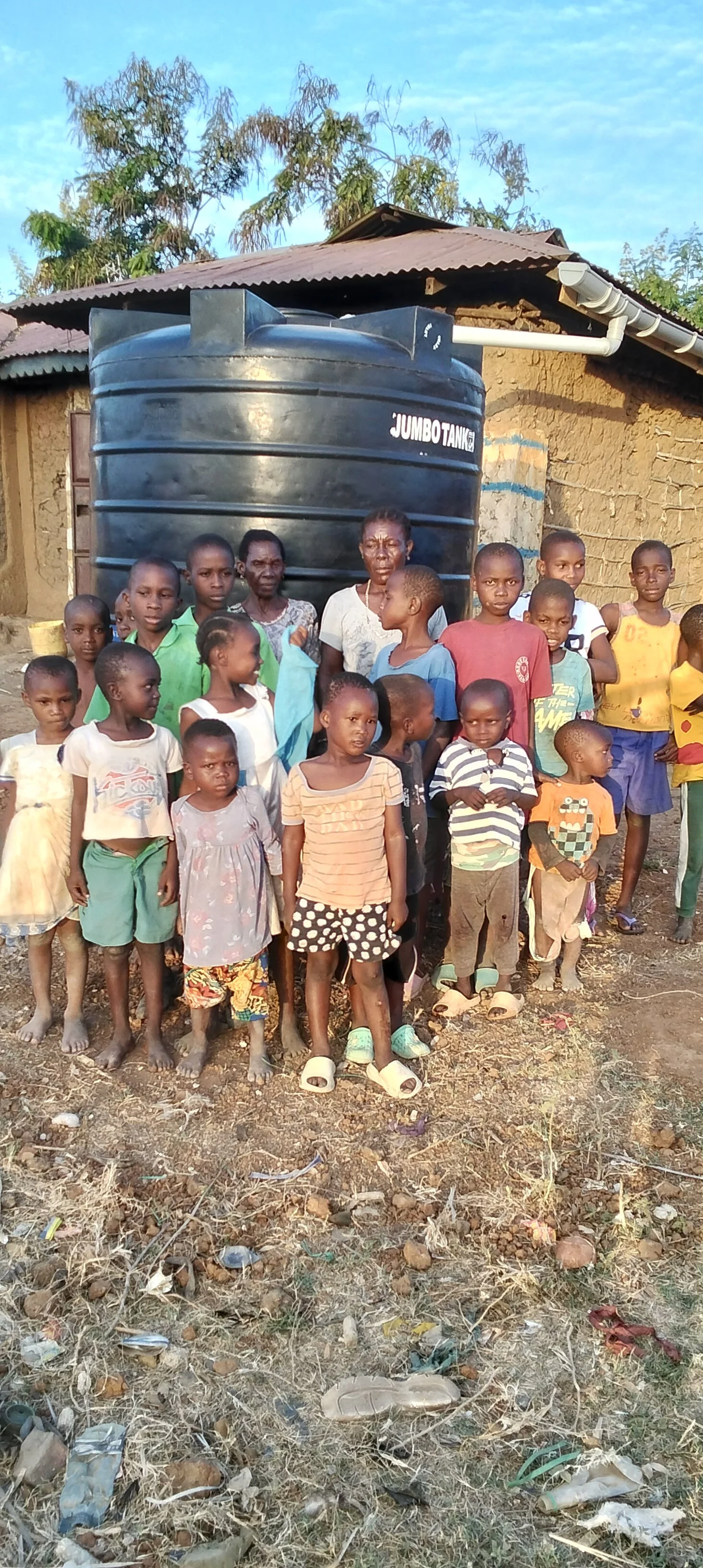
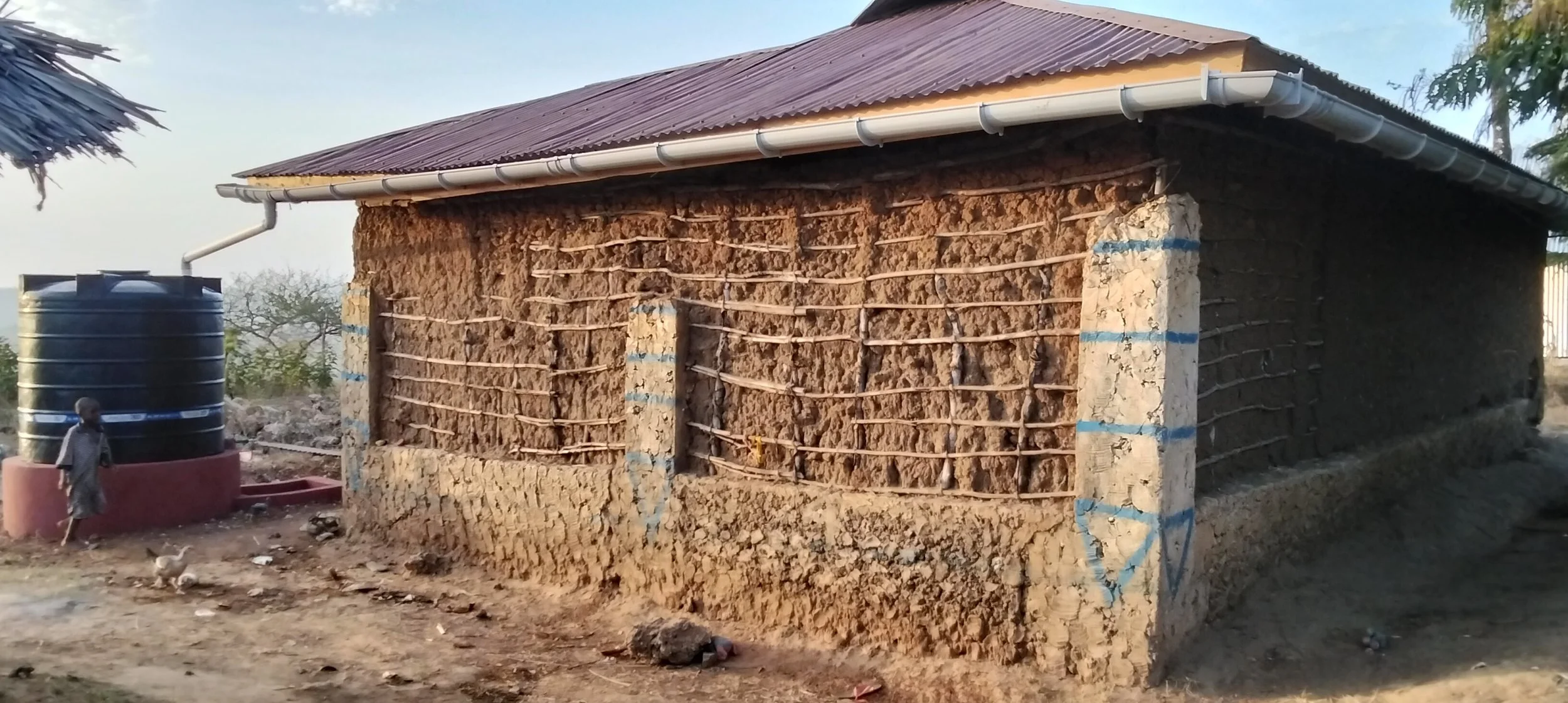
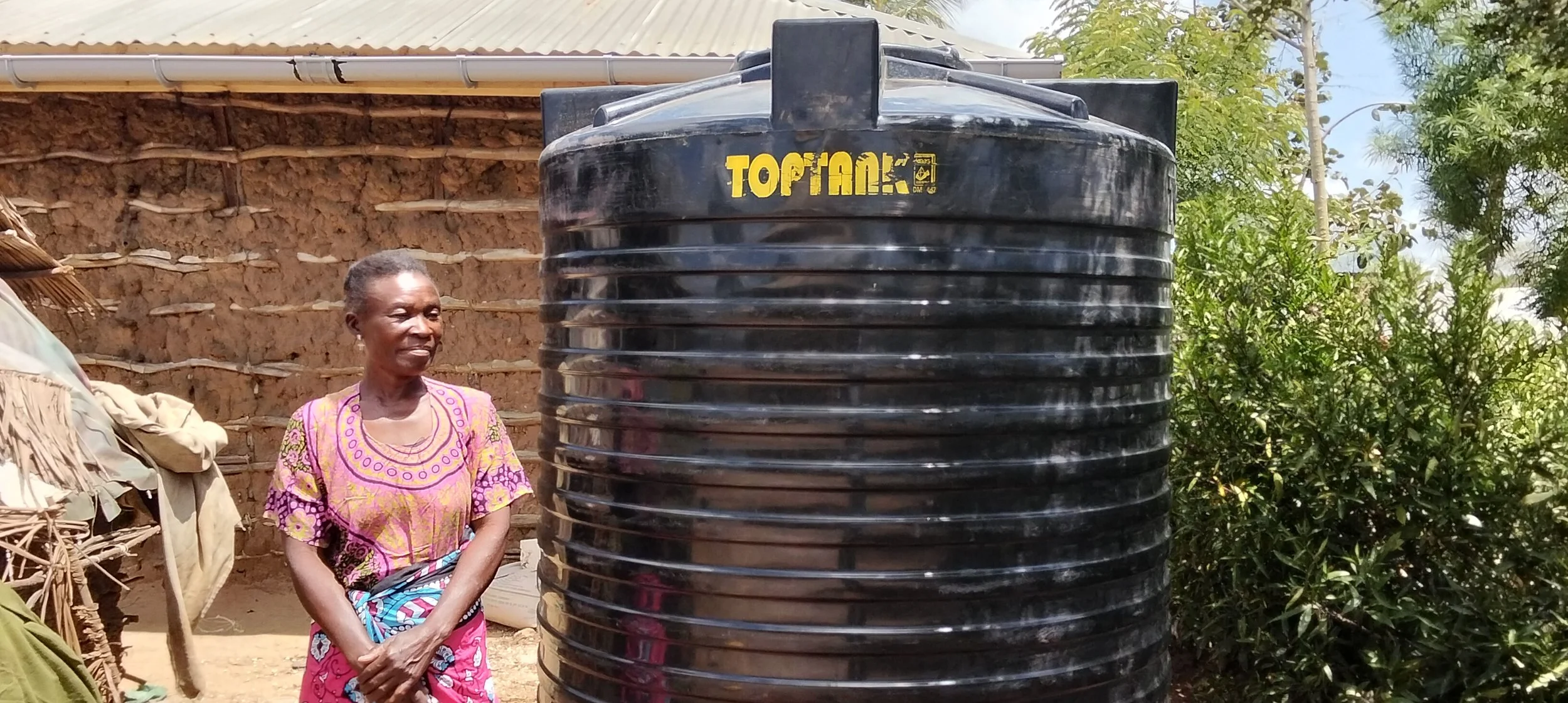
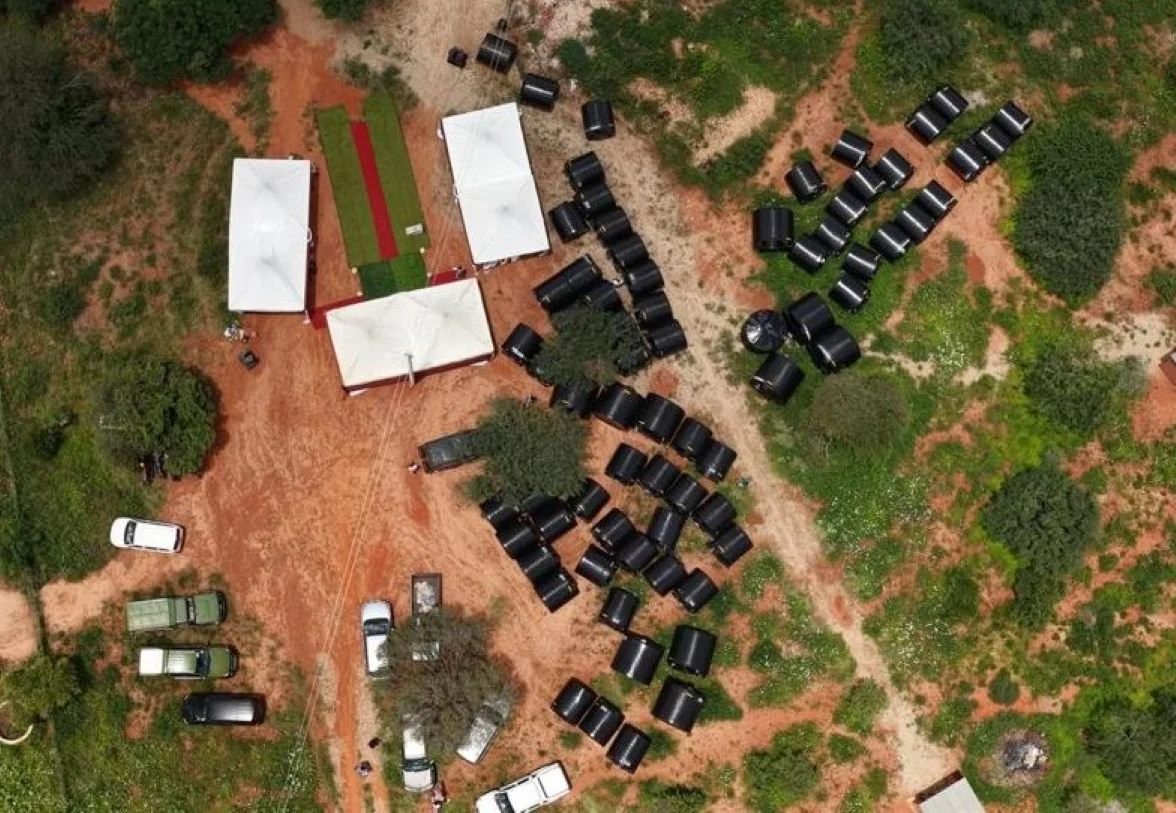
Thanks to 2025 Golf Day donations, Haller installed 100 rainwater capture systems for households across Kenya.
In Kenya, 67% of people live without piped water.
With your help, we can change that.
Golf Day Fundraiser
Connecting…
Impact in Numbers
£27,000 invested in Water Capture
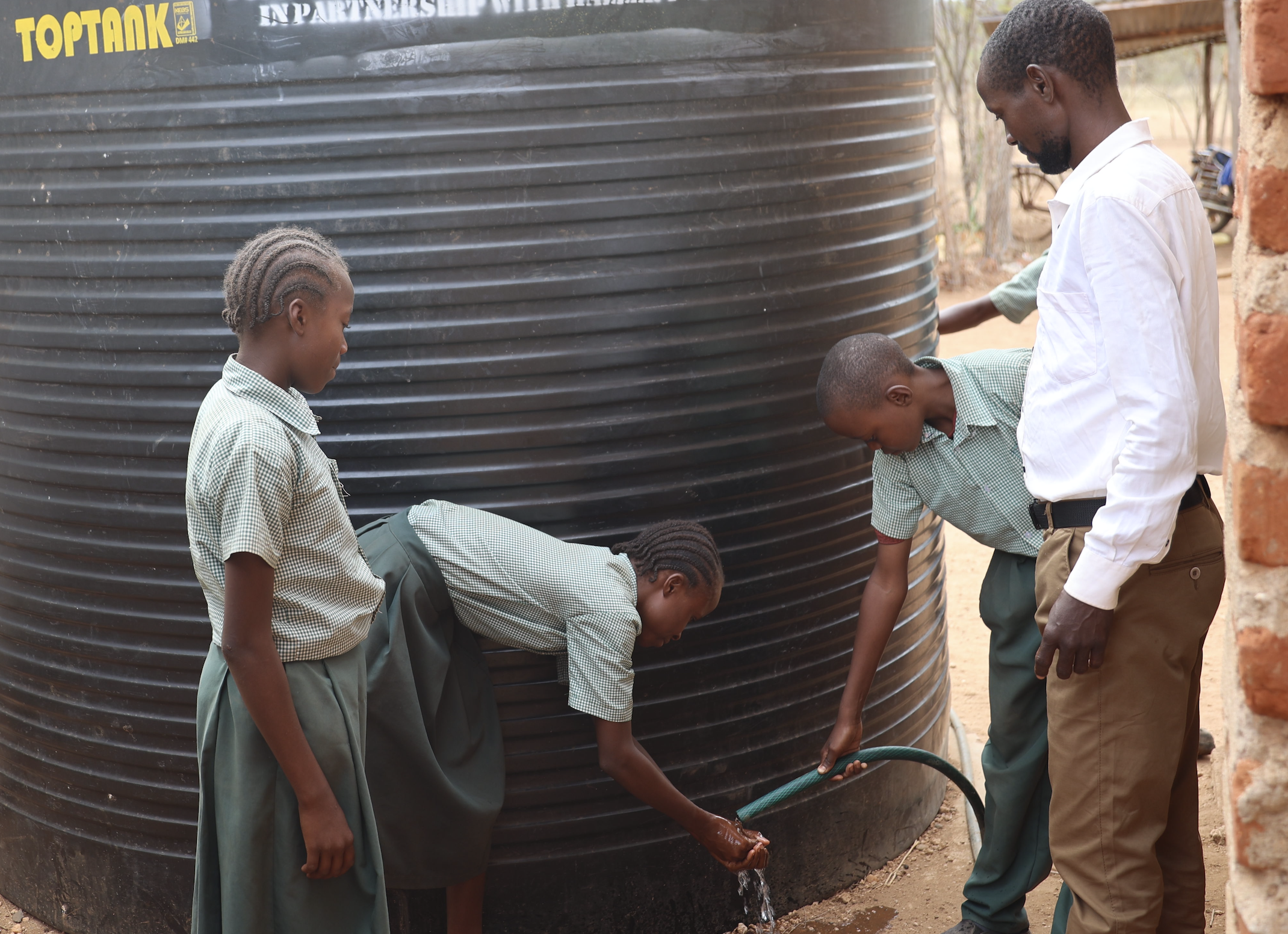
100 households & 5 schools
2,014 total direct beneficiaries
£13.41 cost per beneficiary
225,000 litres of rainwater captured


The Challenge
Many rural communities across Kenya face severe water insecurity. For families, collecting water can mean walking long distances to rivers, shallow water sources or community boreholes—a burden that falls particularly heavily on women and children.
Reliance on water sources shared with livestock and wildlife also increases the risk of waterborne illness and dangerous human-wildlife encounters.
A Proven Solution
Not every water source is suitable for domestic use. Across Kenya, borehole water can be saline, while dams and other open sources are often unsafe or primarily used by livestock.
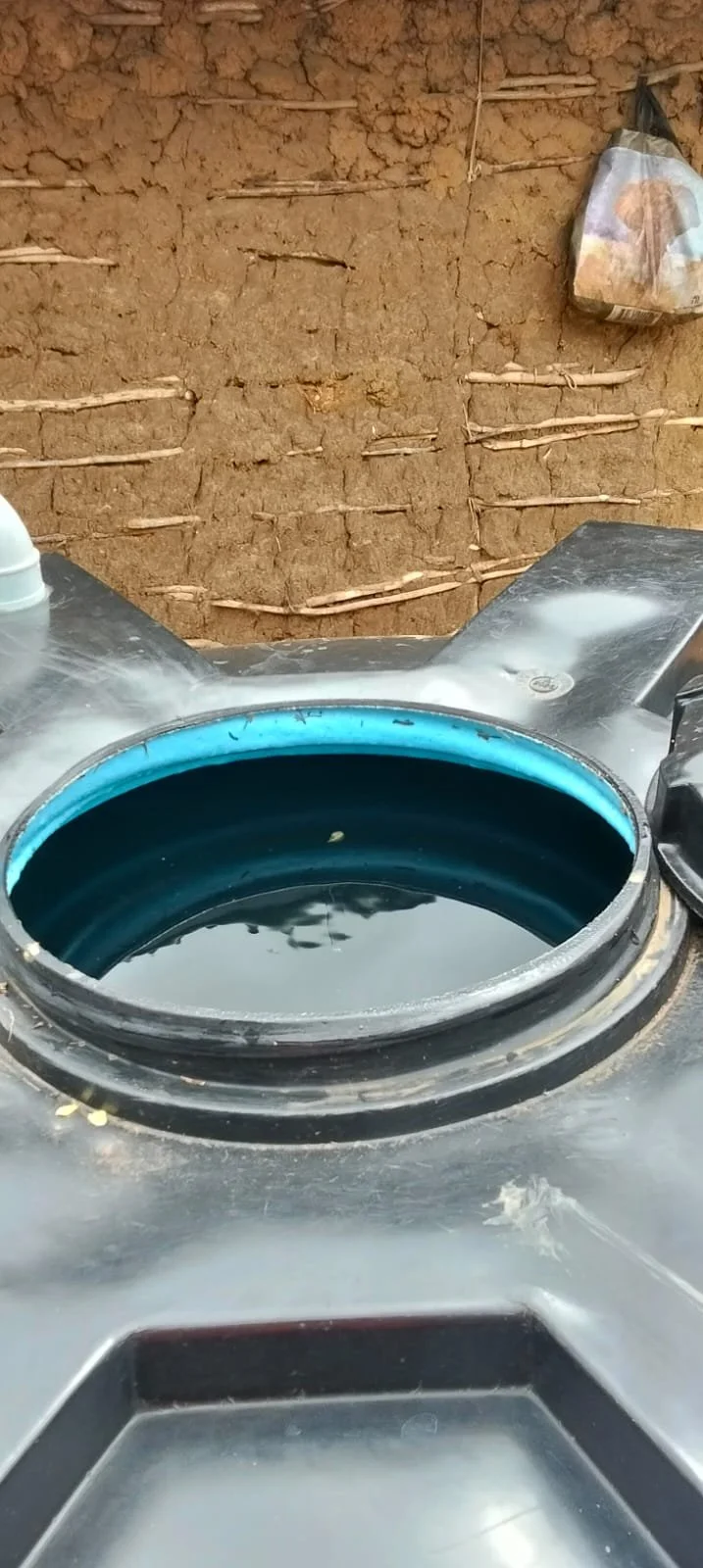
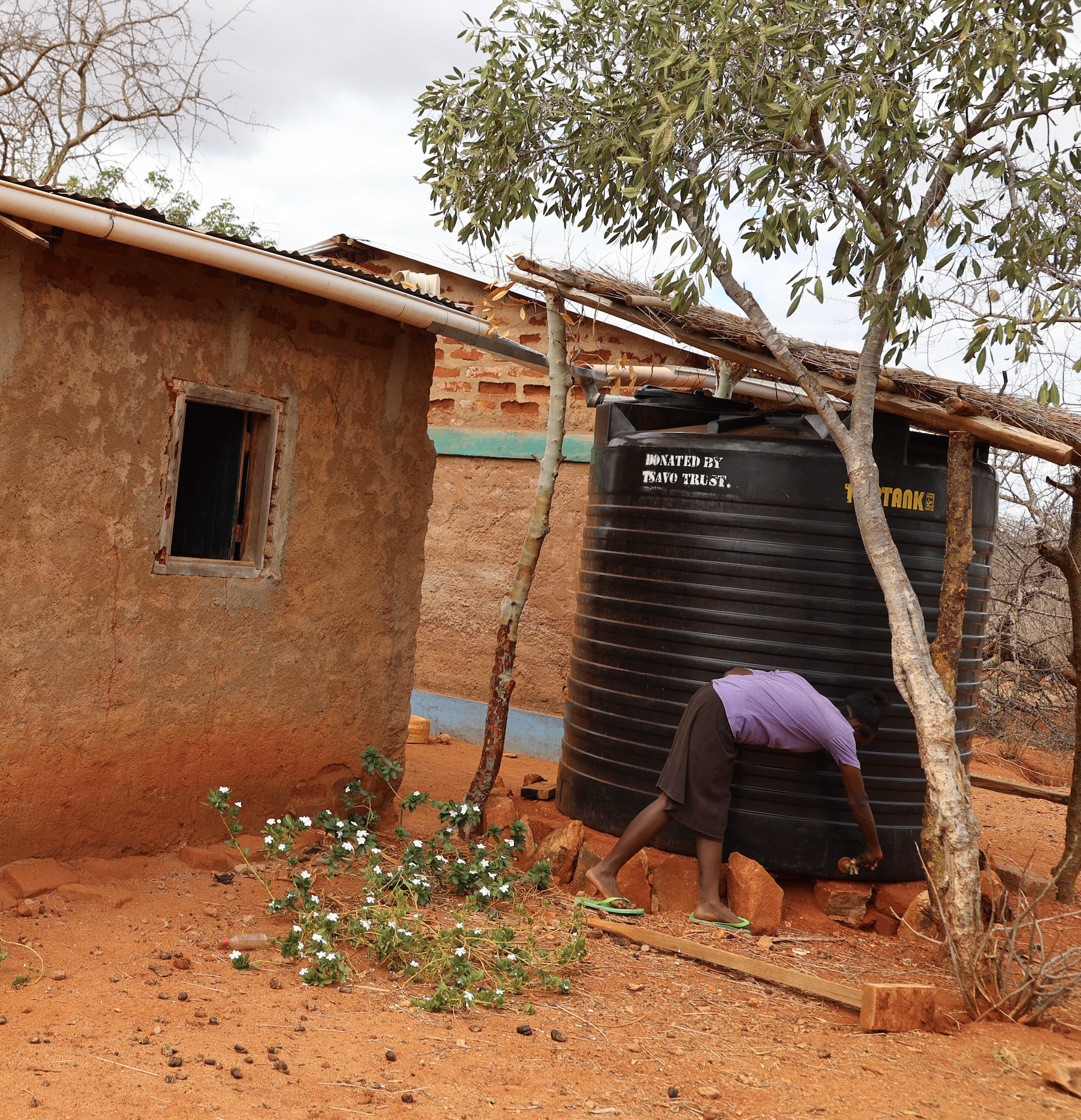
Capturing rainwater from household roofs and storing it in robust tanks offers families a safe and reliable source of water for drinking and cooking. A 3,000-litre tank can collect enough rainwater to help meet a household’s essential needs between rainy seasons.
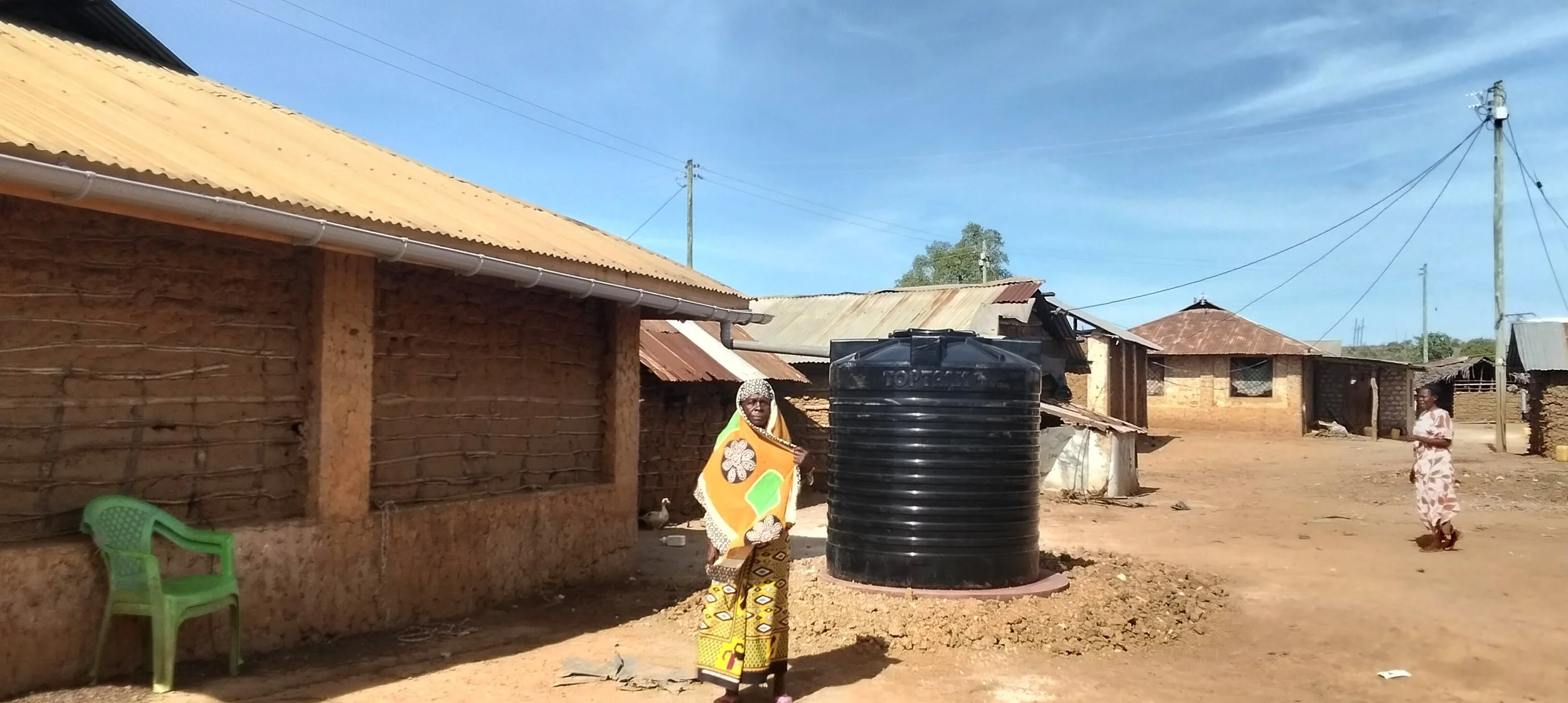
Each system includes guttering and a tap, providing a cleaner, safer and more convenient way for families to access water at home.
Building on What Works
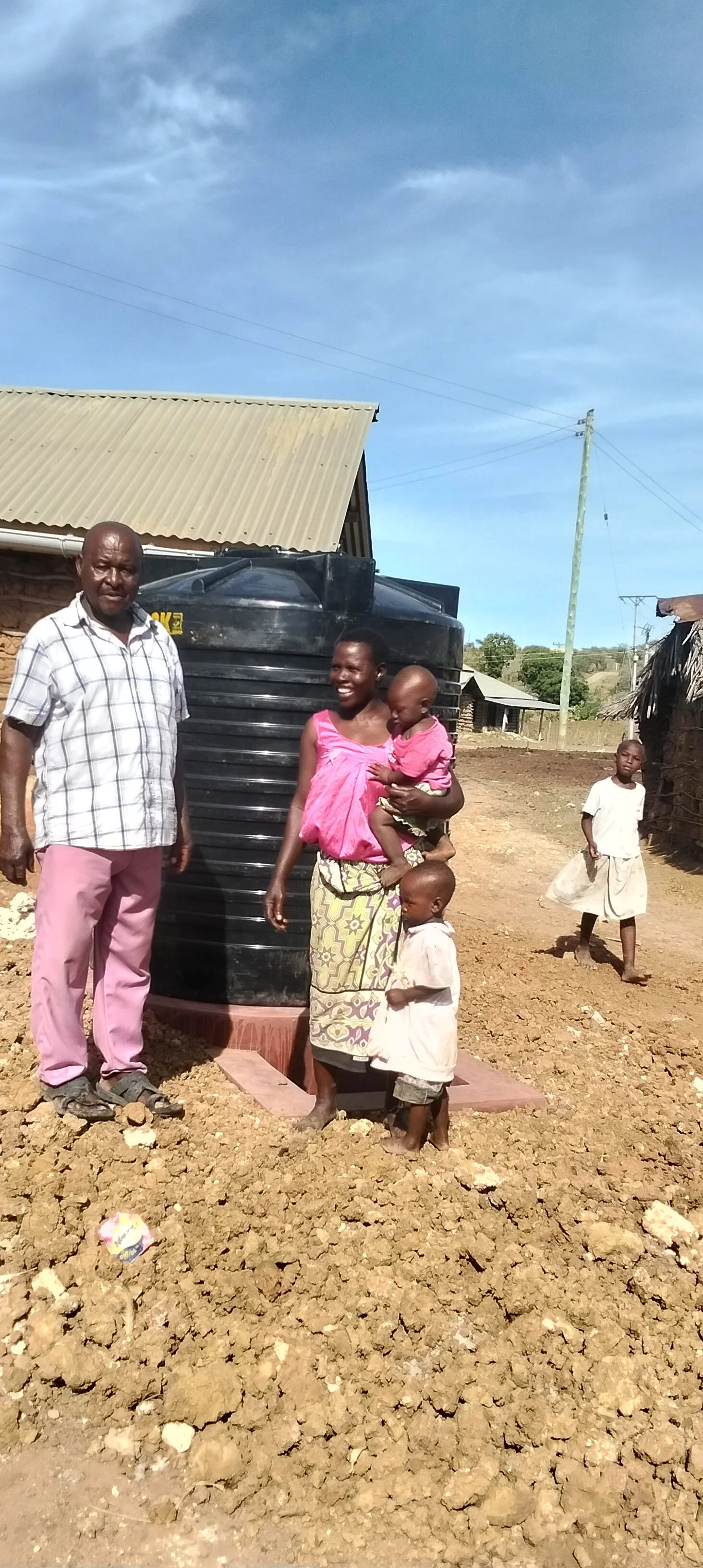
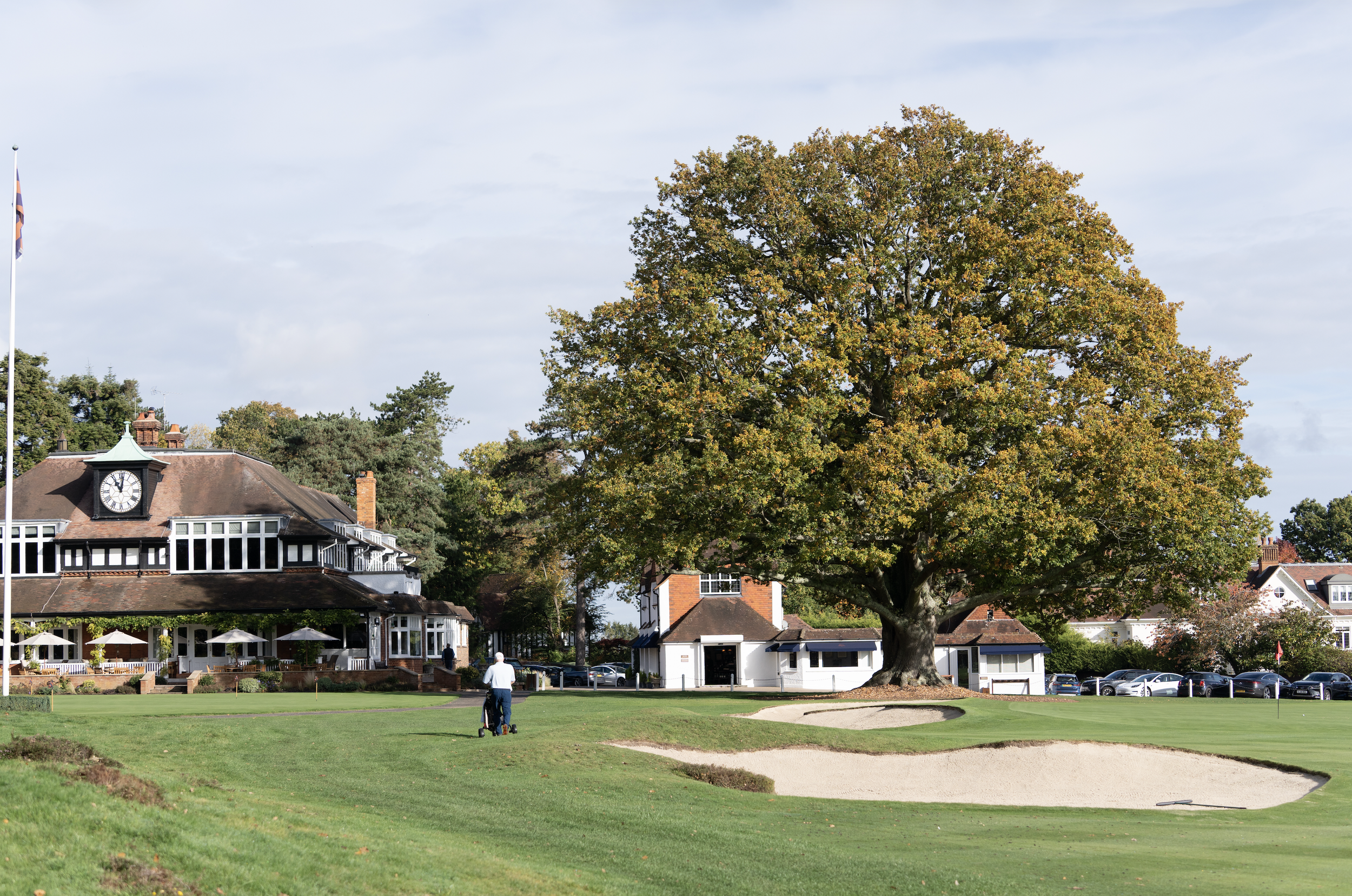
Funds raised at the 2025 Golf Day have enabled Haller to install 100 rainwater capture systems for community homesteads across Kenya.
This simple, scalable and highly effective model provides families with a safe and reliable source of water, improving health and reducing the time spent travelling long distances to collect it.
Building on this success, we now want to bring water security to many more households across Kenya.
Safer Water & Better Health
Families will have more reliable access to clean water for drinking, cooking and washing, reducing their dependence on unsafe sources and lowering the risk of waterborne illness.
Quality Education & Improved Livelihoods
Women and children will spend less time walking long distances to collect water. Children will have more time for school, while adults can focus on their families and livelihoods.

Greater Safety
Bringing water closer to home will reduce the risk of dangerous encounters with wildlife while travelling to rivers and other remote water sources.

Stronger Climate Resilience
Households will be able to capture rainwater during the wet season and store it for use during extended dry periods, helping them adapt to increasingly unpredictable rainfall.

Reduced Household Costs
Families who previously needed to purchase water will be able to redirect that money towards food, education and other essential needs.

Stronger Community Conservation
Access to water demonstrates the benefits that conservation can bring to surrounding communities. By supporting local wellbeing alongside wildlife protection, the project will strengthen trust, encourage community participation and promote peaceful coexistence between people and wildlife.
Frequently Asked Questions
-
100% of the funds raised through this appeal will be used to purchase and install rainwater-harvesting systems for vulnerable households in Kamungi Conservancy, Kenya.
Haller will oversee the project, monitor how the funding is used and work closely with our delivery partners throughout the project.
-
Each participating household will receive a robust 5,000-litre water tank, together with the guttering and tap needed to collect rainwater from the roof and access it safely.
Monitoring has shown that a tank of this size can help meet a household’s essential drinking and cooking needs from one rainy season to the next.
-
Other water sources in the area are not always suitable for safe domestic use. Borehole water can be saline, while lined dams are generally better suited to livestock.
Roof catchment and secure water storage have proven to be a practical and effective way for families to collect cleaner water during the rainy season and store it for use through prolonged dry periods.
-
Haller will work with our delivery partners and community representatives to identify vulnerable households facing the greatest difficulties accessing safe water. Selection will be based on local need and carried out in consultation with the community.
-
The new tanks will be incorporated into our existing water-project monitoring framework.
Haller will monitor the installation and use of each tank and assess changes in:
The time women and children spend collecting water
Household access to safe water
Reported cases of waterborne illness
Children’s school attendance
Household spending on purchased water
Families’ satisfaction with the safety and reliability of their water supply
Our partners will provide Haller with project updates, photographs and monitoring information so that we can report back to our donors on the difference their support has made.
-
Conservation is most effective when it also benefits the people living alongside wildlife.
Bringing water closer to people’s homes reduces the need to travel to rivers and remote water sources, lowering the risk of dangerous encounters with wildlife. It also demonstrates the practical benefits that conservation can bring to local communities, helping to strengthen trust and encourage peaceful coexistence between people and wildlife.
-
If you are a UK taxpayer, Gift Aid allows Haller to claim an additional 25p for every £1 you donate, at no extra cost to you.
For example, a £100 donation could be worth £125 to Haller. Simply select the Gift Aid option and complete the declaration when making your donation.
You should only claim Gift Aid if you have paid enough UK Income Tax or Capital Gains Tax during the relevant tax year to cover the amount reclaimed on all your Gift Aid donations.
-
Yes. Haller will share updates on the installation of the tanks and the difference they are making for participating families through our website, newsletters and social media channels.