Capturing Rain, Building Resilience
How a Simple Water Harvesting System is Transforming Lives in Coastal Kenya
In coastal Kenya, water scarcity is becoming an increasingly urgent challenge. Communities face longer droughts, more erratic rainfall and rising pressure on already fragile water supplies. Yet even during the dry season, one critical resource is often wasted: rainwater that falls on rooftops and disappears as runoff.
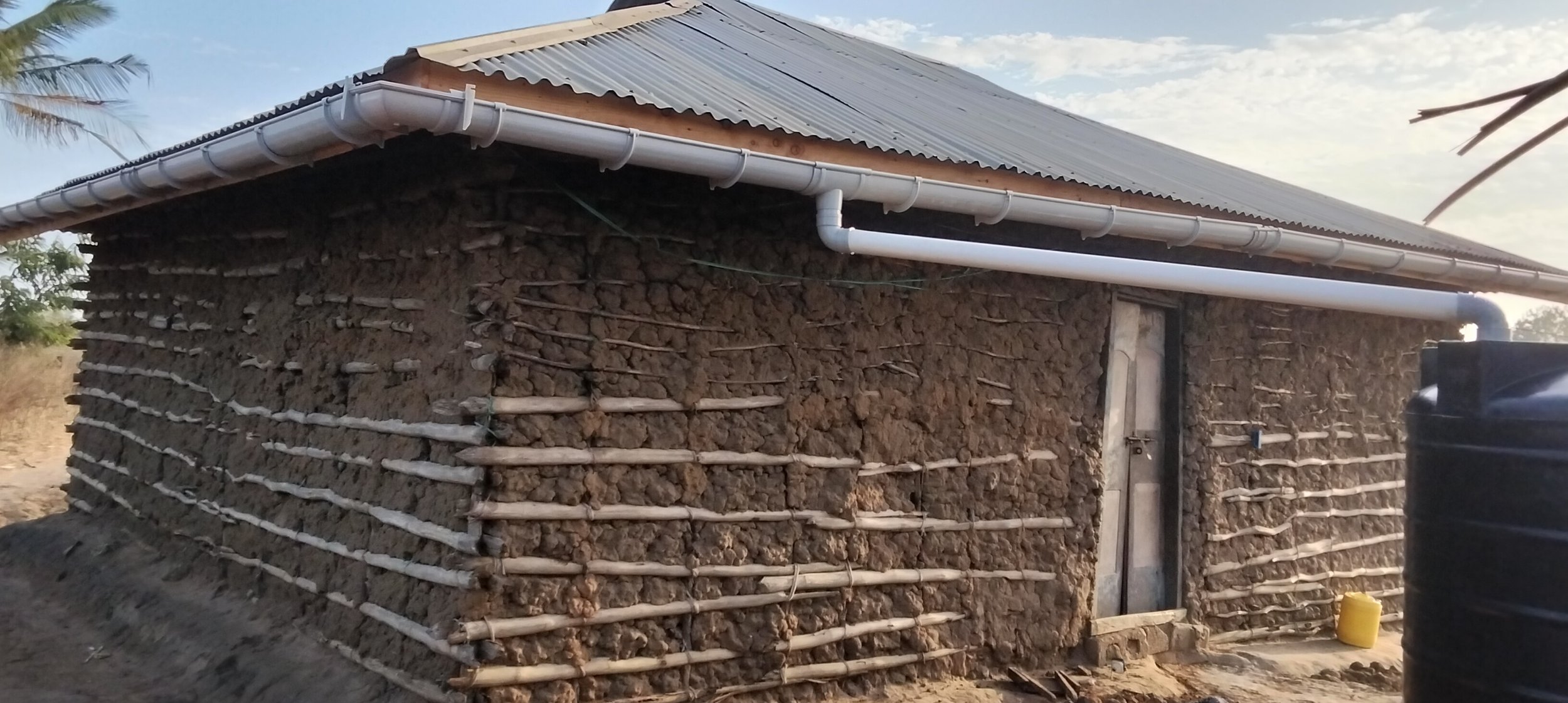
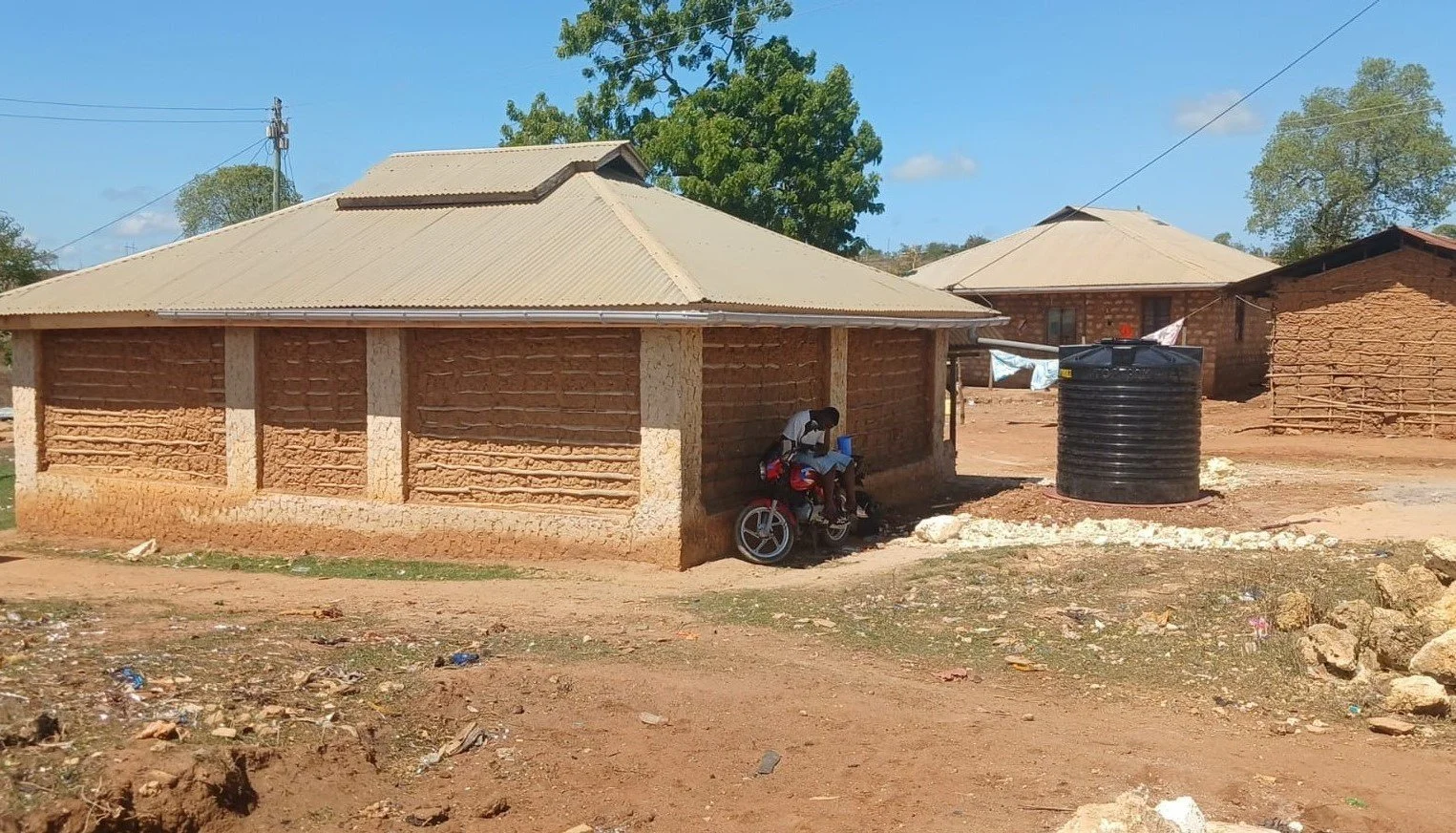
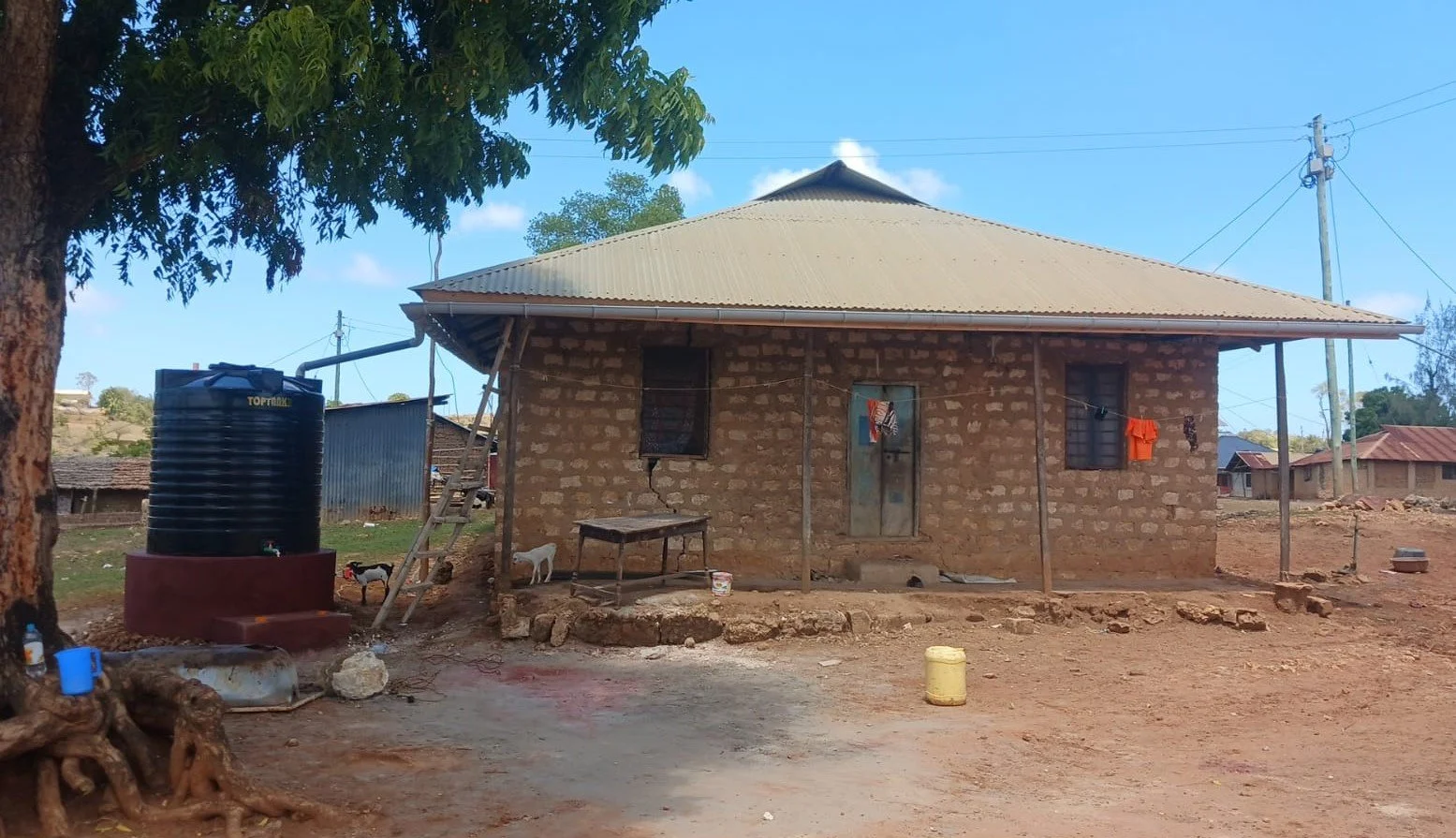
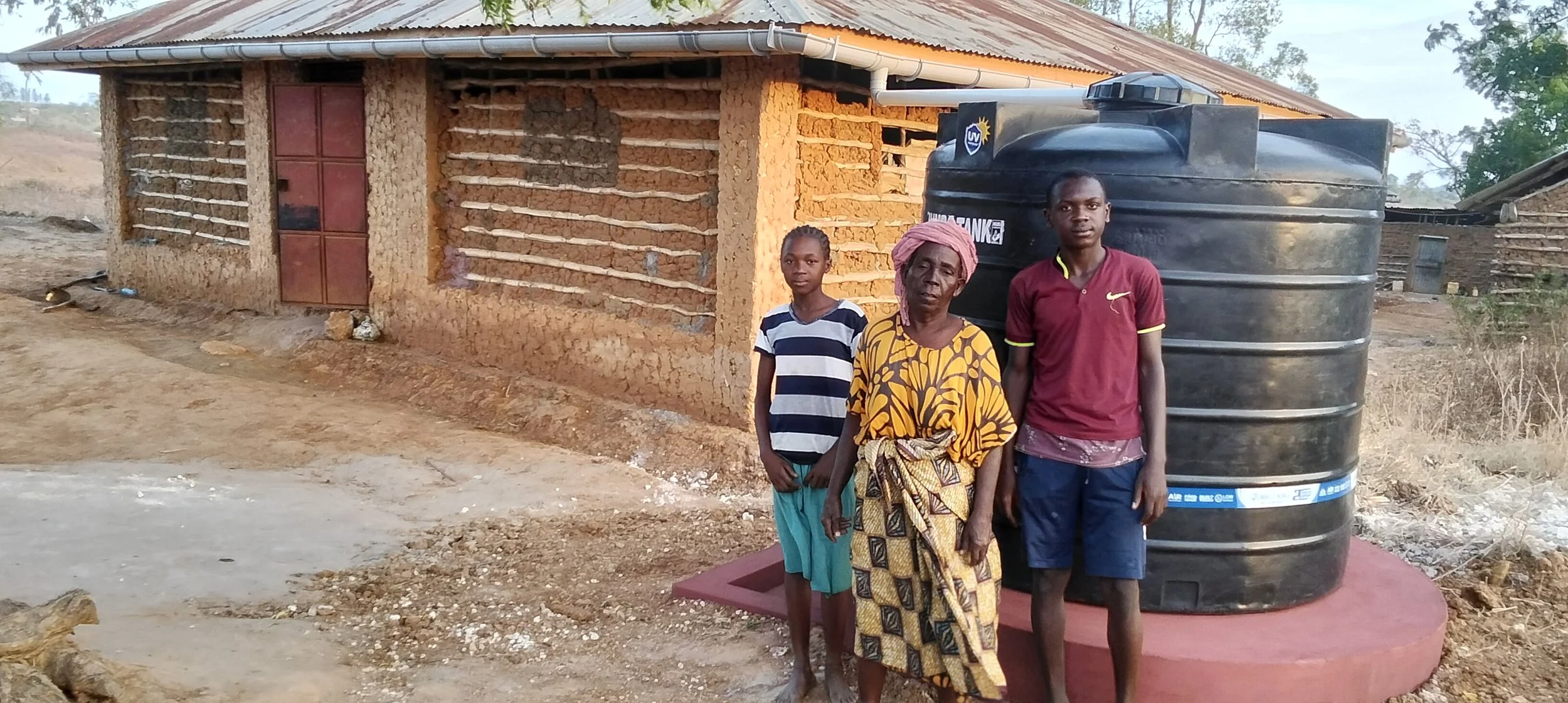
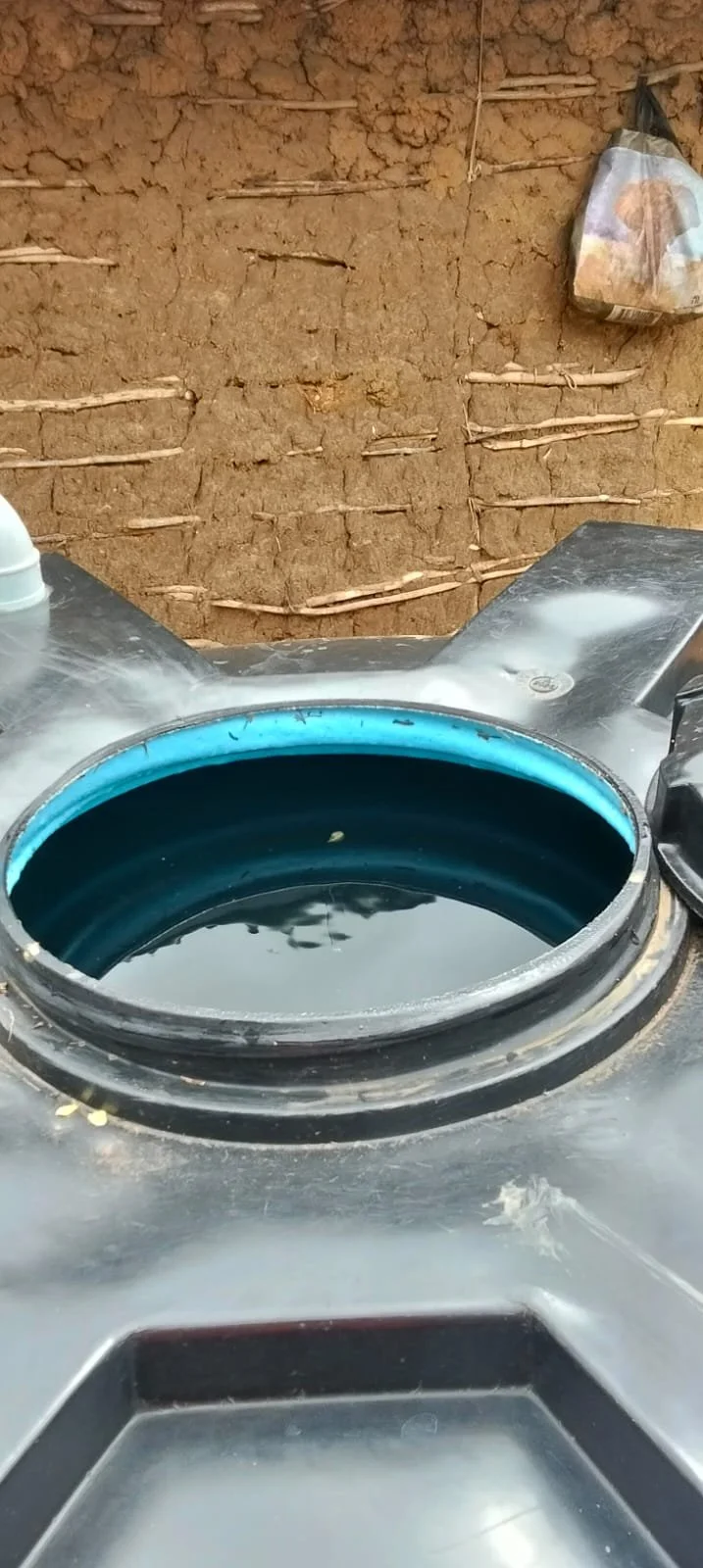
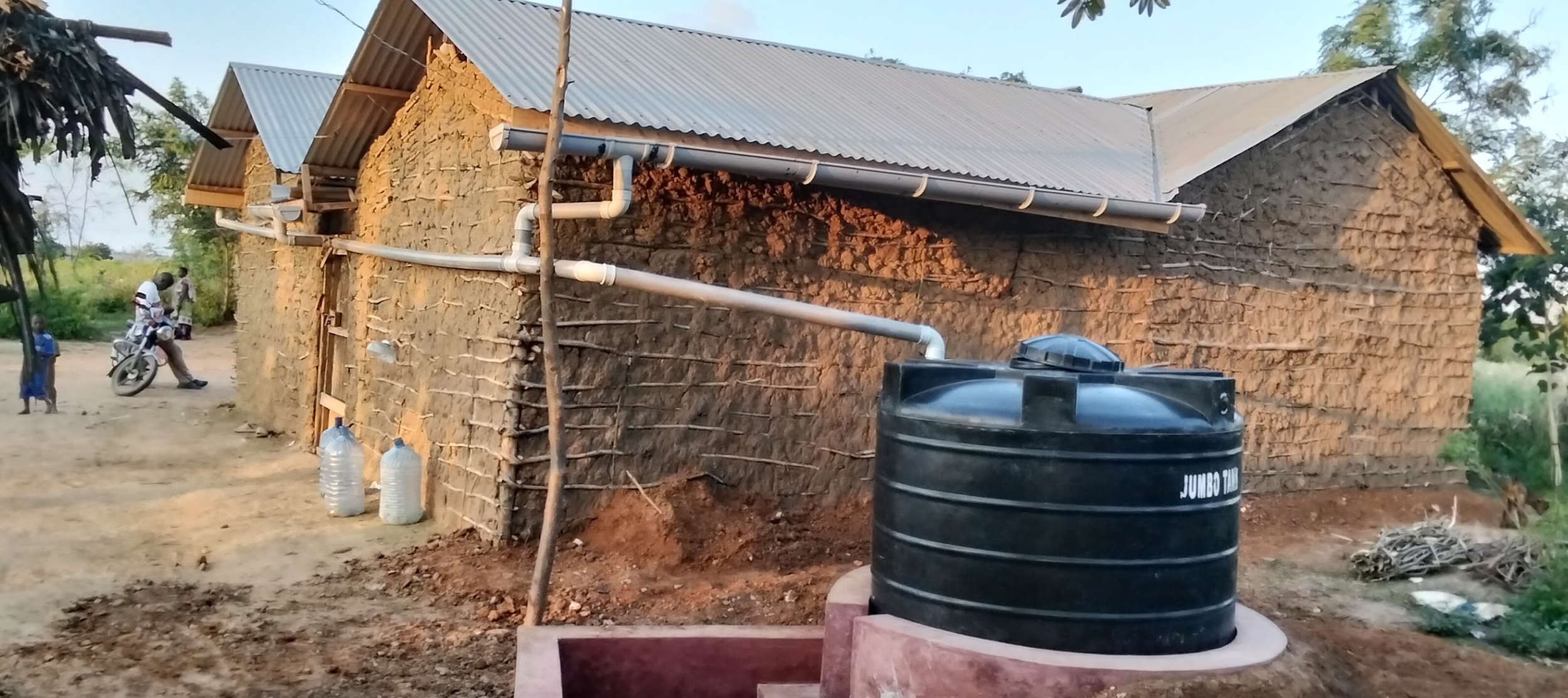
Haller is helping communities capture this resource and turn it into a foundation for long-term resilience. Through a simple combination of rooftop guttering and community-managed storage tanks, vulnerable households are able to harvest and store rainwater during short but intense rainfall events. The result is a reliable source of clean water that strengthens health, food security, livelihoods and climate resilience.
A Small Intervention with Multiple Benefits
Across Haller's recent water harvesting programmes in Mombasa County, 74 households have gained direct access to rainwater harvesting infrastructure, benefiting more than 360 people directly and hundreds more indirectly through shared community access and increased local food production.
The systems are intentionally simple:
Rooftop guttering captures rainfall.
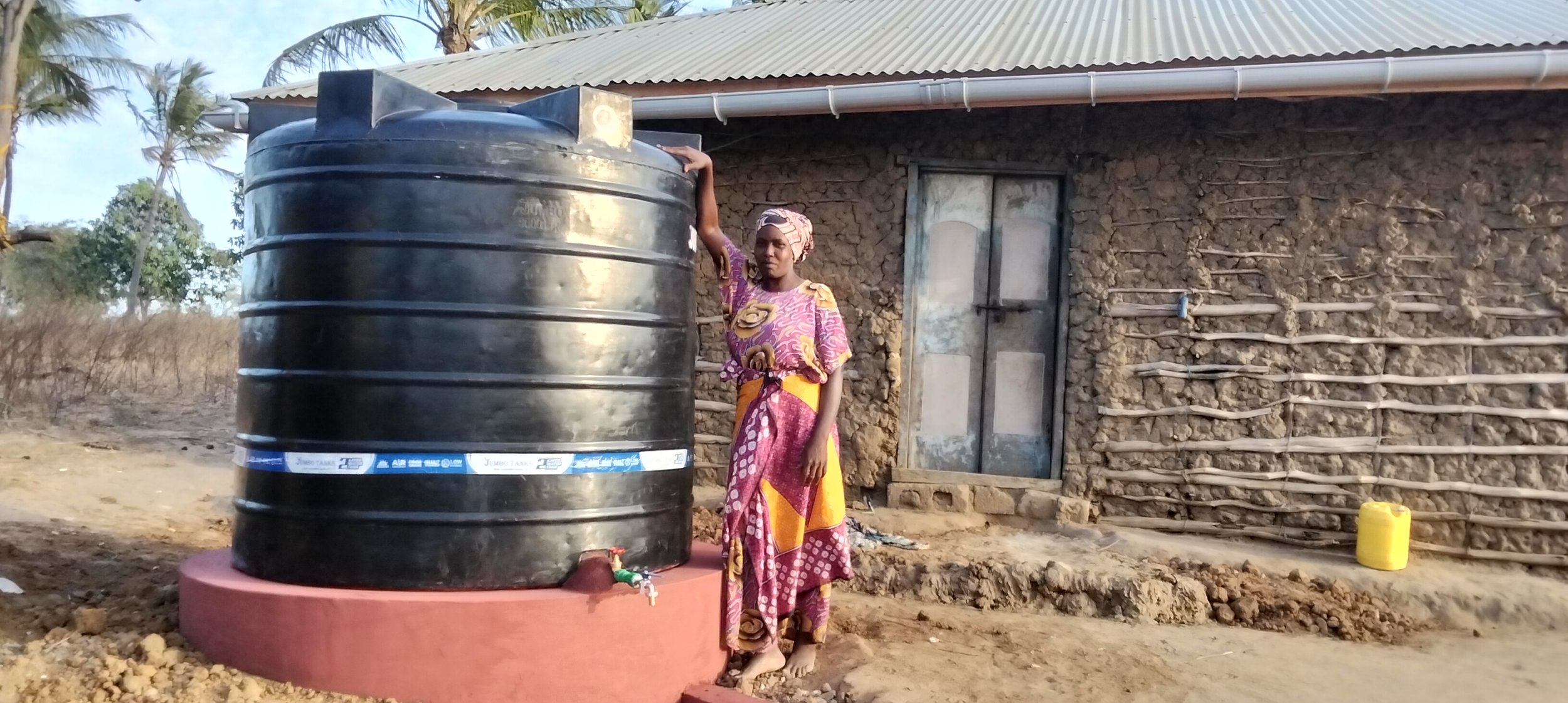
Water is channelled into 3,000-litre storage tanks.
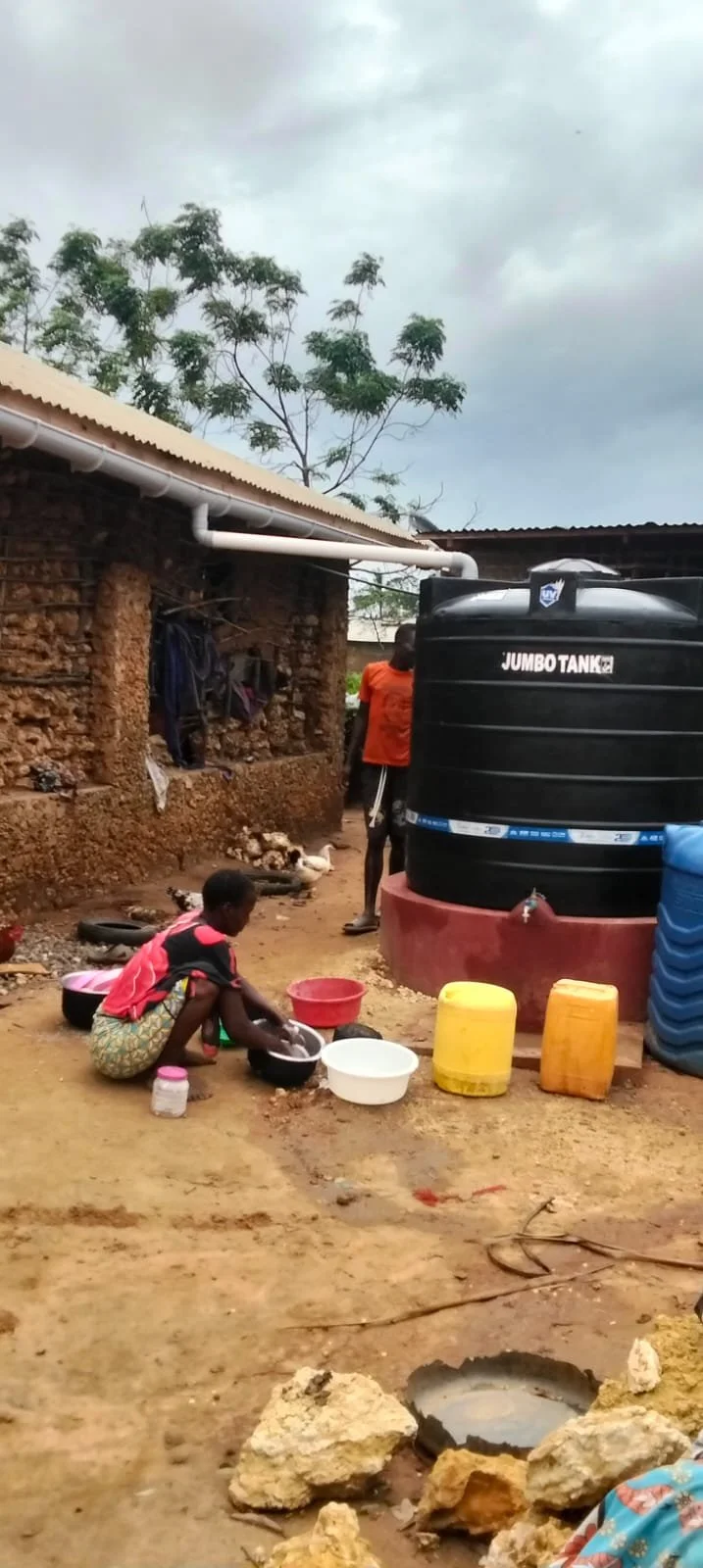
Households share and manage water collectively.
Communities receive training on maintenance, hygiene and water management.
The infrastructure is low-cost, locally appropriate and easy to maintain, making it highly scalable across rural communities.
Water Security Means More Than Water
For many women and girls, accessing water previously required walking several kilometres each day, often spending up to five hours collecting water. Today, those hours can be spent caring for families, attending school, cultivating crops or earning an income. The impact extends far beyond convenience:
Better Health
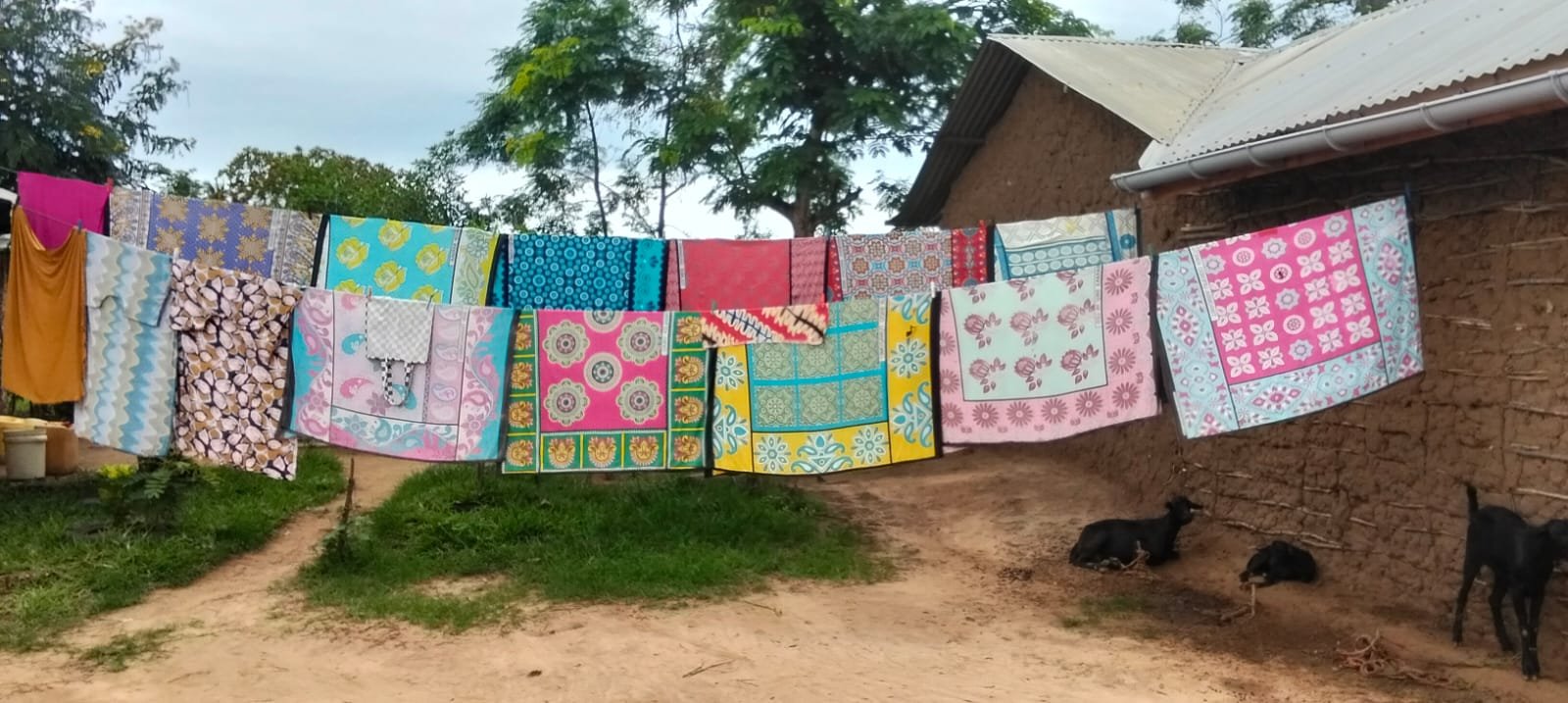
Communities report reduced waterborne disease and improved hygiene practices. Families have access to cleaner water and can wash clothes, prepare food safely and maintain better household sanitation.
Improved Food Security
Reliable water supplies support kitchen gardens and small-scale food production. In one community, malnutrition rates fell from 20% to 15% following improved water availability for food preparation and household agriculture.
Women's Empowerment
Women and girls are the primary beneficiaries of improved water access. Reduced time spent collecting water increases opportunities for education, income generation and leadership. Women now act as Water Conservation Champions, helping manage shared infrastructure and training other residents.
Climate Resilience
As rainfall becomes increasingly unpredictable, water harvesting helps communities make the most of every rainfall event. Capturing rainwater reduces vulnerability during dry periods while also helping reduce soil erosion caused by unmanaged runoff.
The Human Impact
For Malombo Chumbe, a nearly 70-year-old grandmother living in Muungano kwa Mwalue, the arrival of a community water tank has been life-changing. For decades, she struggled to access safe drinking water and was often forced to walk long distances despite caring for elderly family members and grandchildren.
"I thought I would suffer for the rest of my life looking for safe clean water, but when I heard a tank was to be built here, I was so excited. This water tank will really relieve me of so many problems."
Her story reflects the experience of hundreds of people across Haller-supported communities.
A Scalable Solution for Growing Need
The demand for water harvesting infrastructure continues to grow. Communities consistently identify reliable water access as one of their highest priorities.
What makes this approach so powerful is its simplicity:
Proven technology
Community ownership
Low maintenance requirements
Immediate impact
Long-term sustainability
Adaptability across rural settings
Every tank installed becomes a community asset that strengthens resilience for years to come.
Looking Ahead
The success of these projects demonstrates that effective climate adaptation does not always require complex solutions. Sometimes resilience begins with capturing rain where it falls.
With continued support, Haller aims to scale this model across coastal Kenya, helping more communities secure clean water, improve food production and build a stronger future in the face of climate change.