
Haller to Support Regenerative Agriculture Projects Across Africa Through New Regen Trust Partnership
The Haller Foundation is pleased to be partnering with Regen Trust to support a portfolio of regenerative agriculture initiatives in Cameroon, Kenya and Malawi, helping smallholder farmers and rural communities build resilience to climate change while restoring degraded land.
Through a grant of £44,000 from Regen Trust, three grassroots organisations will deliver practical solutions that improve food security, regenerate soils and strengthen livelihoods across diverse farming communities. The portfolio includes projects led by Wandusoa in Cameroon, Itanya Africa Group in Kenya, and Kukula Solar in Malawi.
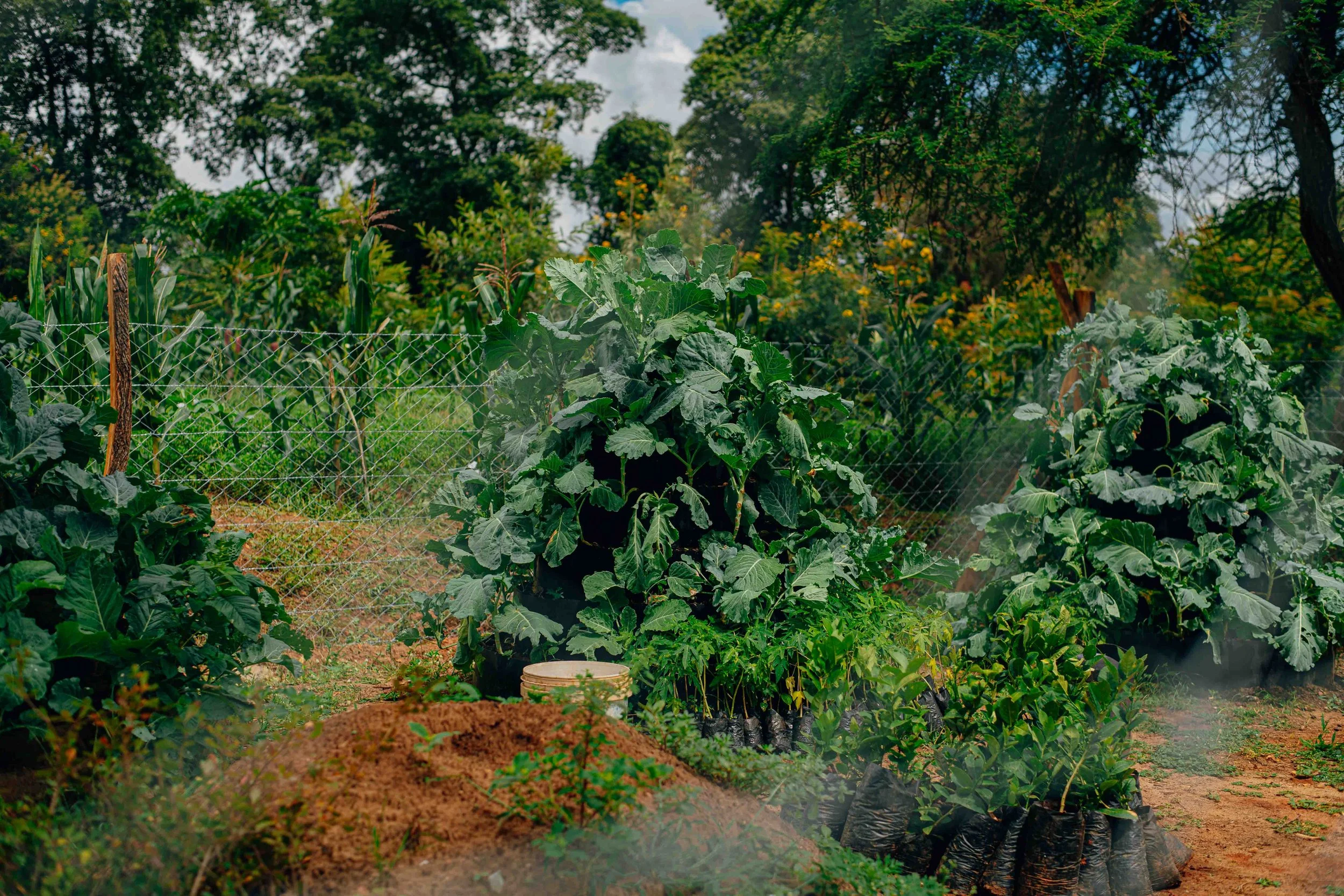
Vertical gardens in Kenya - Photo: Itanya Africa Group
Supporting Regenerative Agriculture Across Three Countries
Across Sub-Saharan Africa, farming communities are facing increasing challenges from soil degradation, unpredictable rainfall and declining agricultural productivity. By investing in locally led regenerative agriculture approaches, these projects aim to improve environmental health while creating sustainable economic opportunities for farmers and their families.
The portfolio combines regenerative farming training, household food production and renewable energy-powered irrigation to address some of the most pressing barriers to sustainable agriculture.
Empowering Young Farmers in Cameroon
In rural Cameroon, Wandusoa will deliver a nine-month residential regenerative farming programme for up to 25 young people (mostly women) aged 14–24, many of whom have been displaced by conflict and face limited opportunities for education or employment.
Participants will receive training in agroecology, composting, polyculture, water management and small business development, equipping them with the skills and resources needed to establish their own farming enterprises. The programme also aims to restore 10 hectares of degraded land through regenerative land management practices.
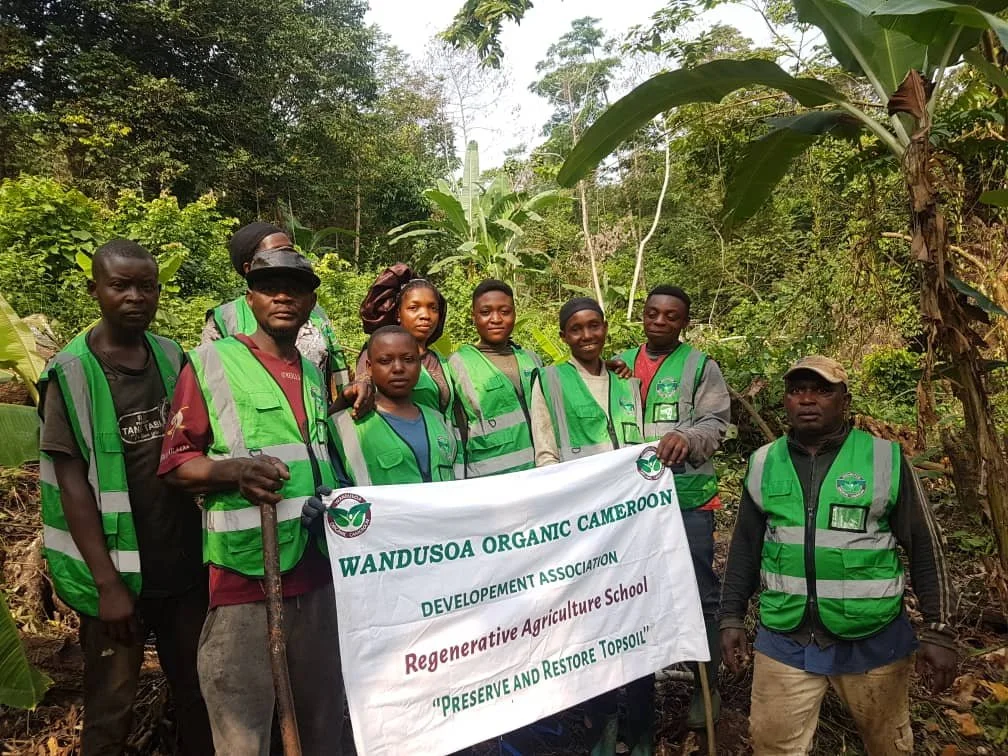
Photo: Wanudsoa Organic Cameron
Strengthening Household Food Security in Kenya
In Machakos County, Kenya, Itanya Africa Group will support 40 households experiencing food insecurity through the installation of 160 vertical gardens. These water-efficient growing systems will enable families to produce nutritious vegetables such as kale and spinach throughout the year, even in areas with limited rainfall.
Households will also receive training in composting, organic fertiliser production, natural pest management and water conservation techniques. Soil health monitoring will be conducted over a five-year period to measure the long-term environmental benefits of the project.
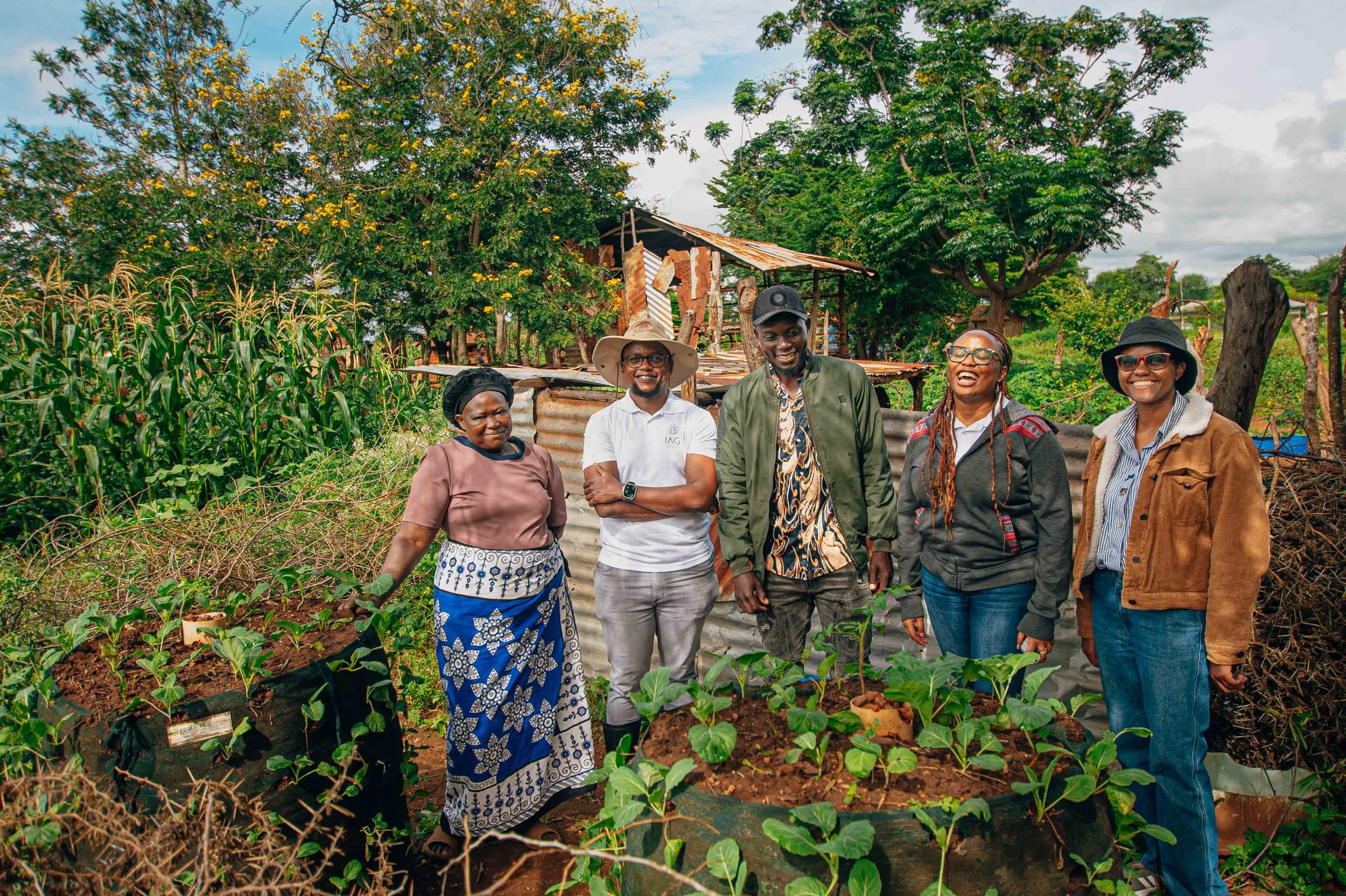
Photo: Itanya Africa Group
Expanding Climate-Smart Irrigation in Malawi
In Malawi's Mchinji District, Kukula Solar will deploy solar-powered irrigation pumps to smallholder farmers through an innovative pay-over-time model. By replacing costly diesel-powered systems, farmers can reduce operating costs, improve crop production and increase household incomes.
Repayments from participating farmers will be reinvested to support additional installations, creating a sustainable mechanism for expanding access to climate-smart irrigation technologies. The project is expected to reach at least 50 farmers within three years.
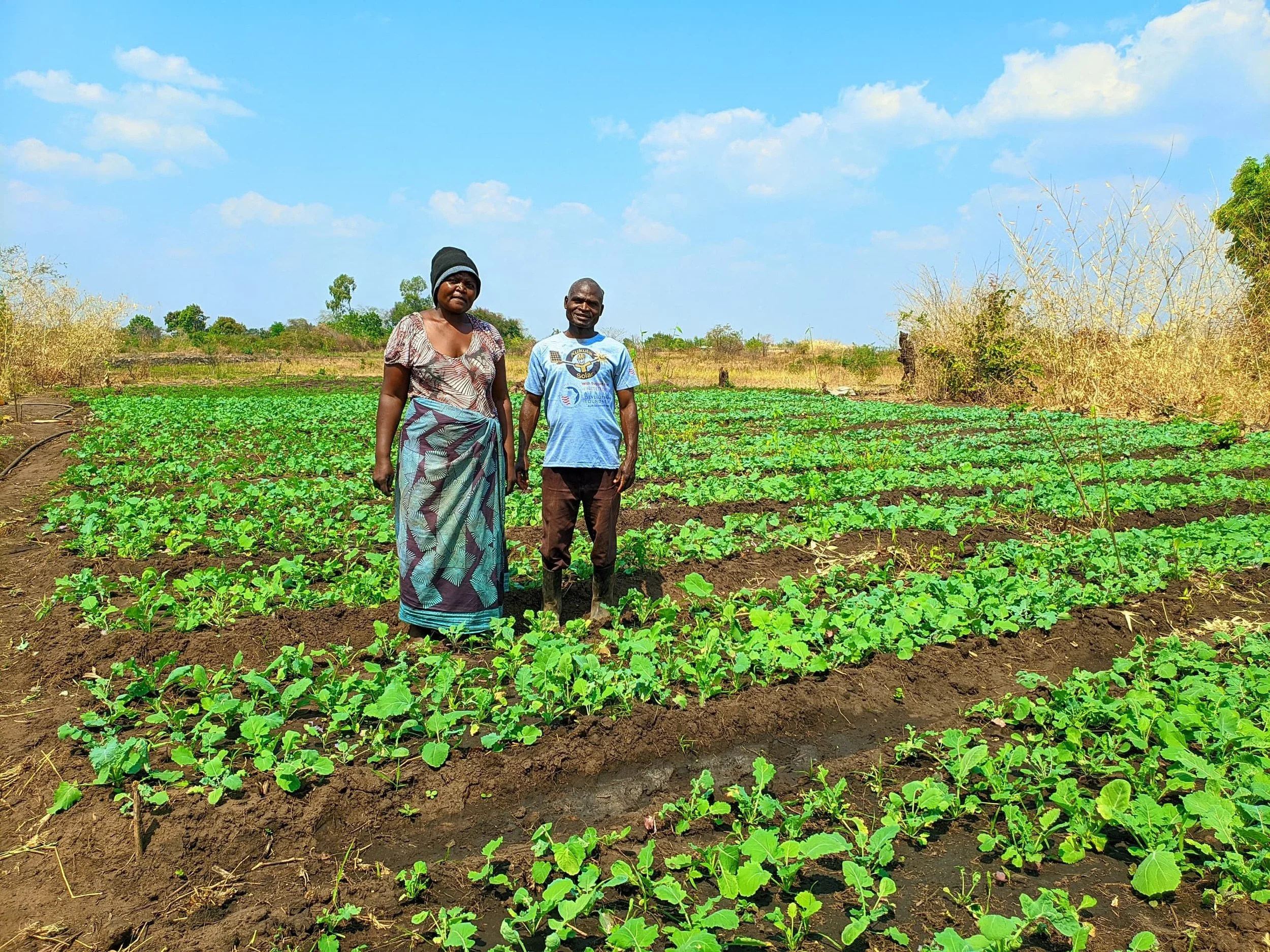
Photo: Kukula Solar
Haller's Role
Haller is conducting due diligence on all three projects and will provide grant administration, monitoring and evaluation, project oversight and donor reporting throughout the programme.
Working closely with Regen Trust and our delivery partners, Haller will support the measurement of environmental and social outcomes over the coming years, helping ensure that project impacts are both sustainable and transparent. Follow-up assessments at one, three and five years will track progress in areas including soil health, food security, income generation and climate resilience.
This partnership reflects Haller's ongoing commitment to supporting community-led solutions that regenerate ecosystems, strengthen livelihoods and create lasting resilience in vulnerable farming communities across Africa.