A Living Classroom: School Open Days at The Mtopanga Demonstration Farm
Haller Kenya’s demonstration farms are places where learning comes to life. Through practical activities and live demonstrations, visitors can see how sustainable farming techniques can improve food security, livelihoods and the environment.
In 2026, the team at Mtopanga Demonstration Farm welcomed teachers, students and farmers from across Kenya’s coastal region for two successful open days.
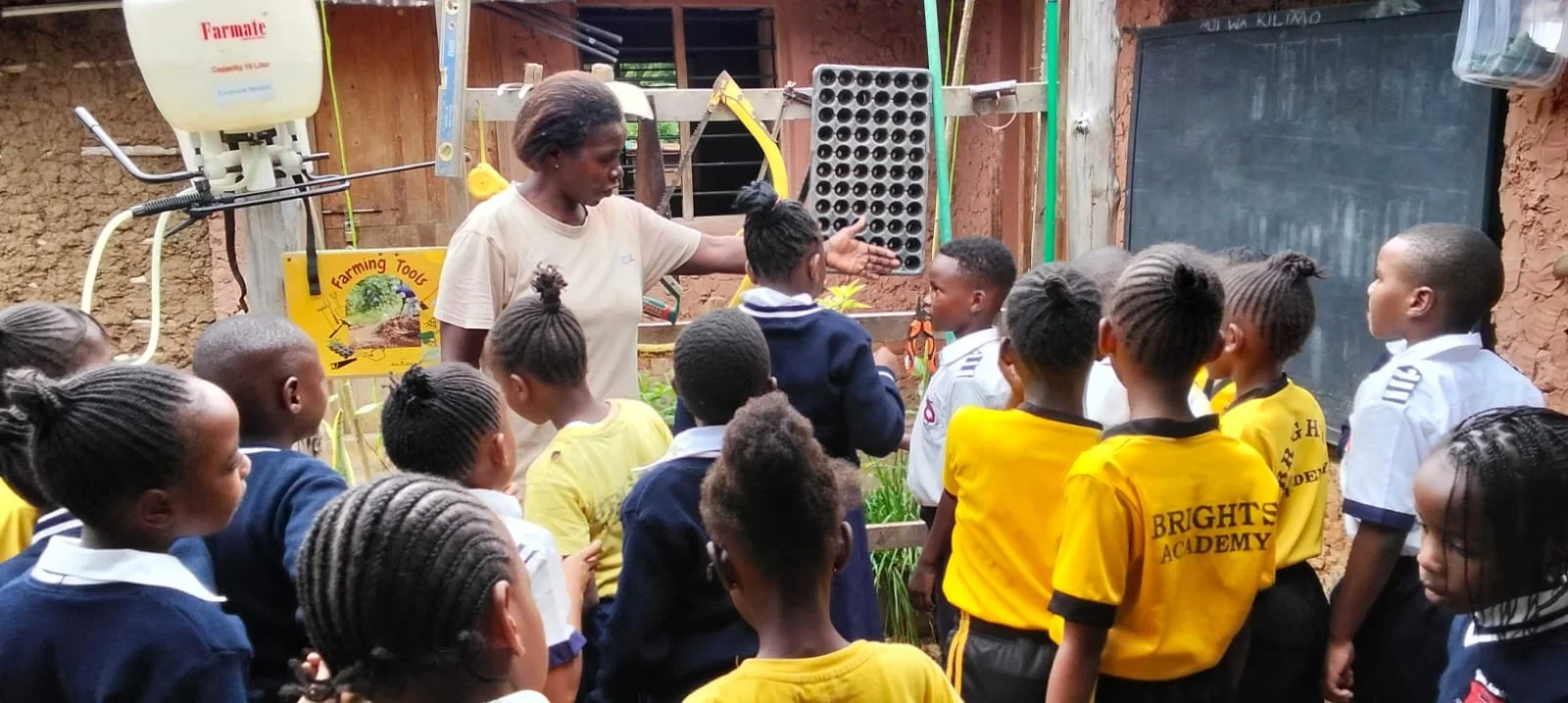
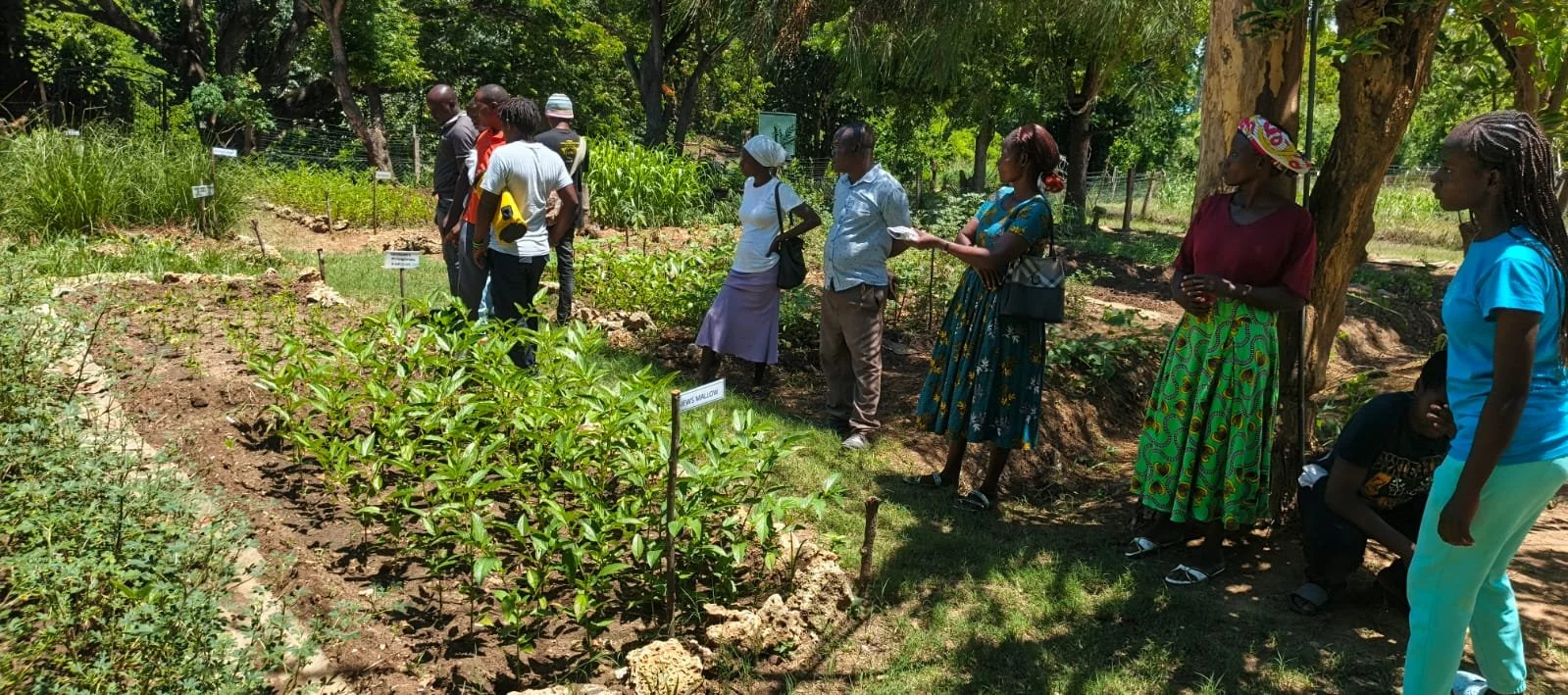
On 9 April, 32 teachers and farmers visited the farm, including 19 men and 13 women. Four schools were represented, alongside individual farmers and community groups. For many, it was their first visit to a Haller demonstration farm. The day gave participants an opportunity to learn about livestock keeping, poultry farming, beekeeping, soil and water conservation, and Haller’s Mji wa Kilimo and 1,000-square-metre plot concepts.
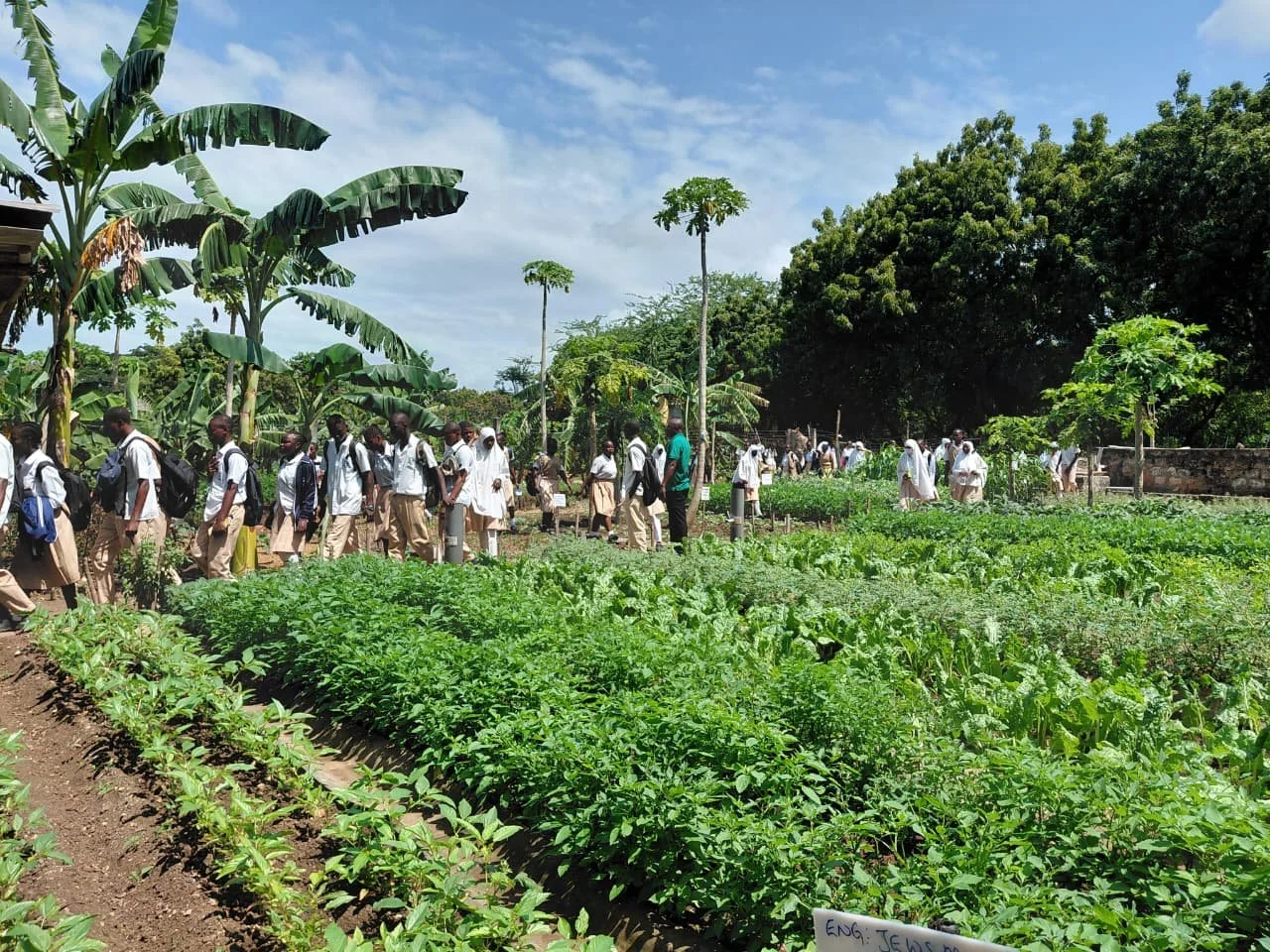
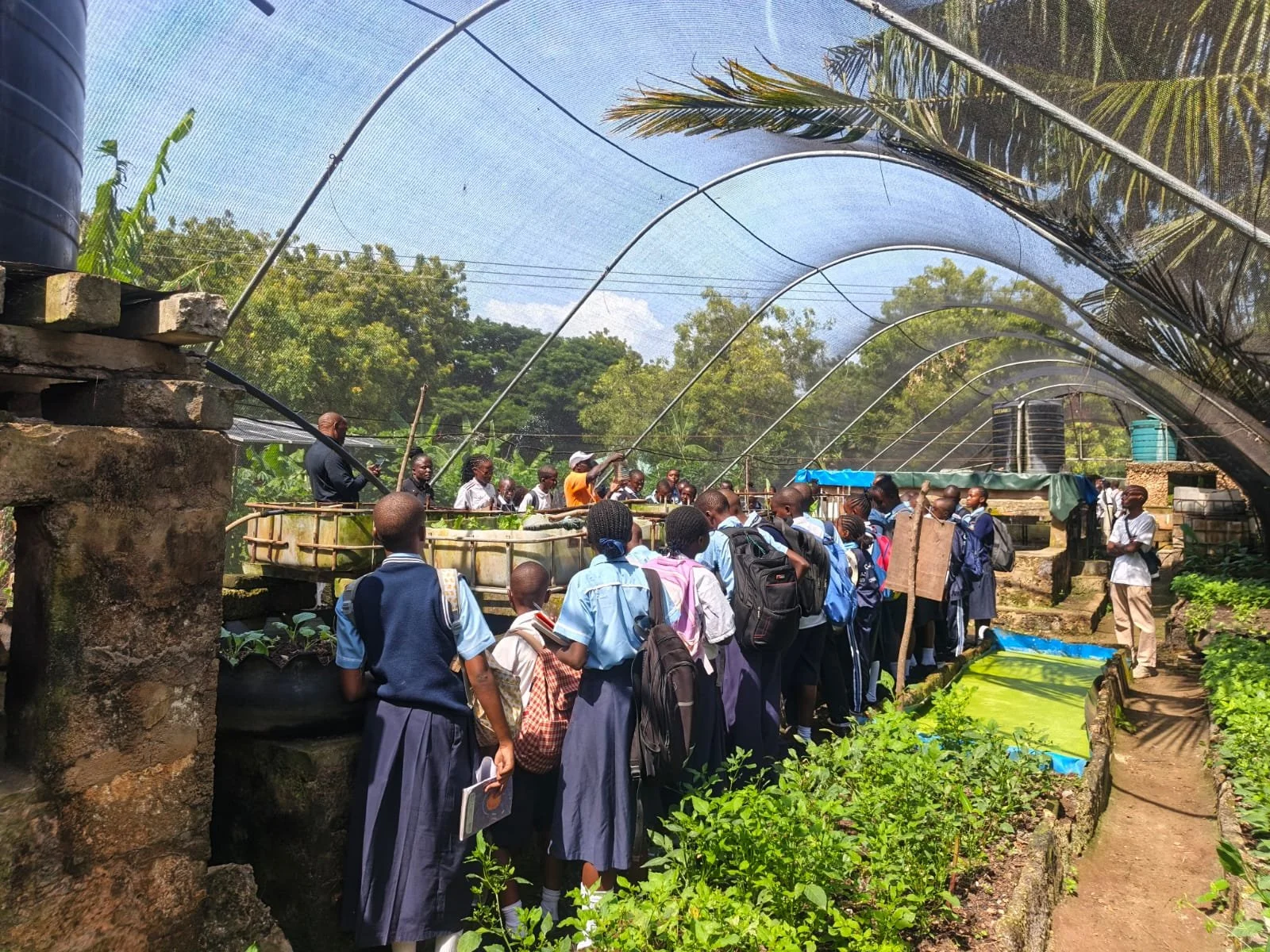
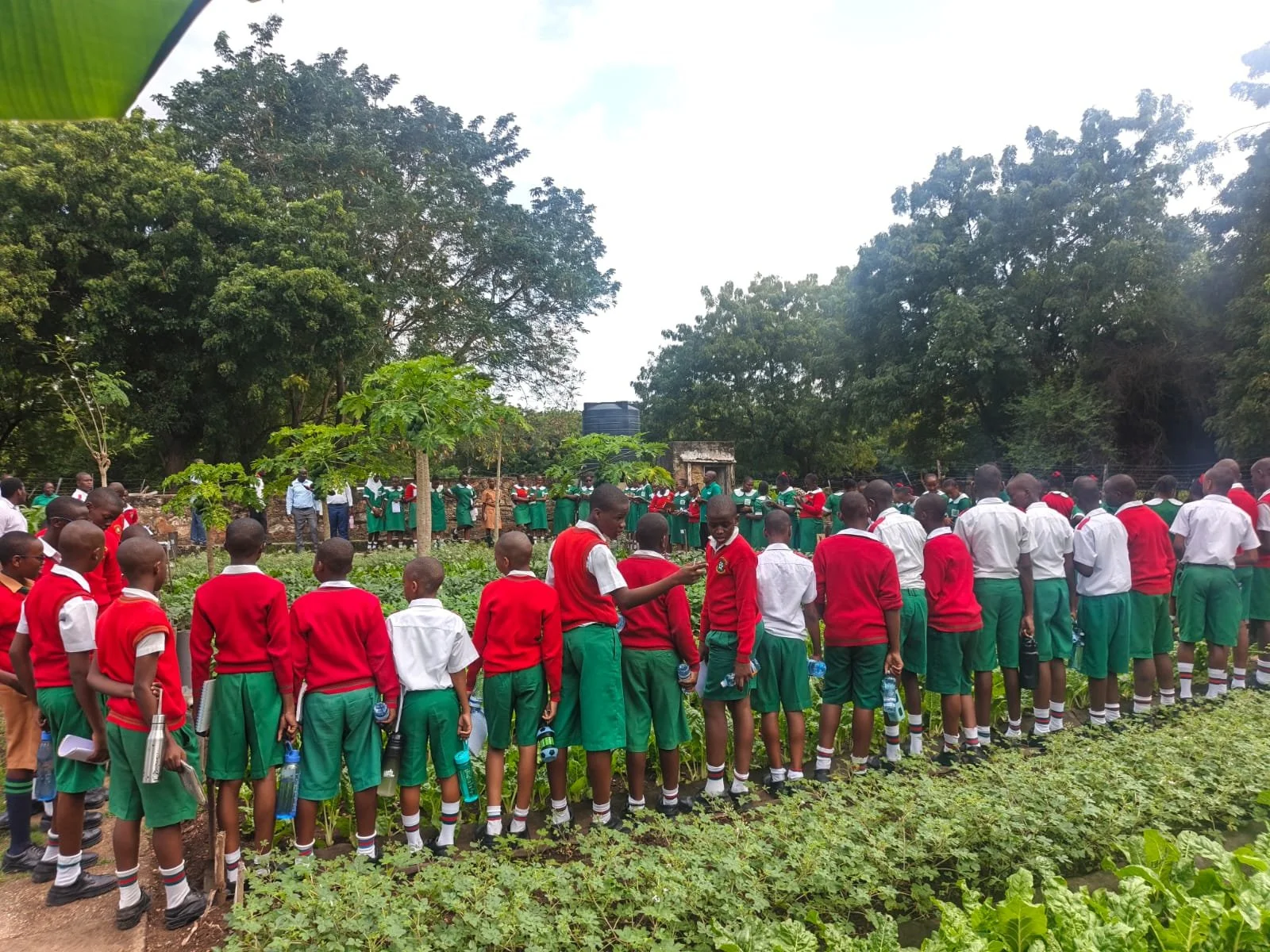
The team held a second Schools Open Day on 10 July, welcoming an incredible 1,870 visitors from 12 schools. This included 1,802 students—859 boys and 943 girls—as well as 68 teachers—38 men and 30 women.
Despite the high turnout, the team managed the flow of visitors smoothly, ensuring that every group had enough time to explore the farm, ask questions and learn from the practical demonstrations.
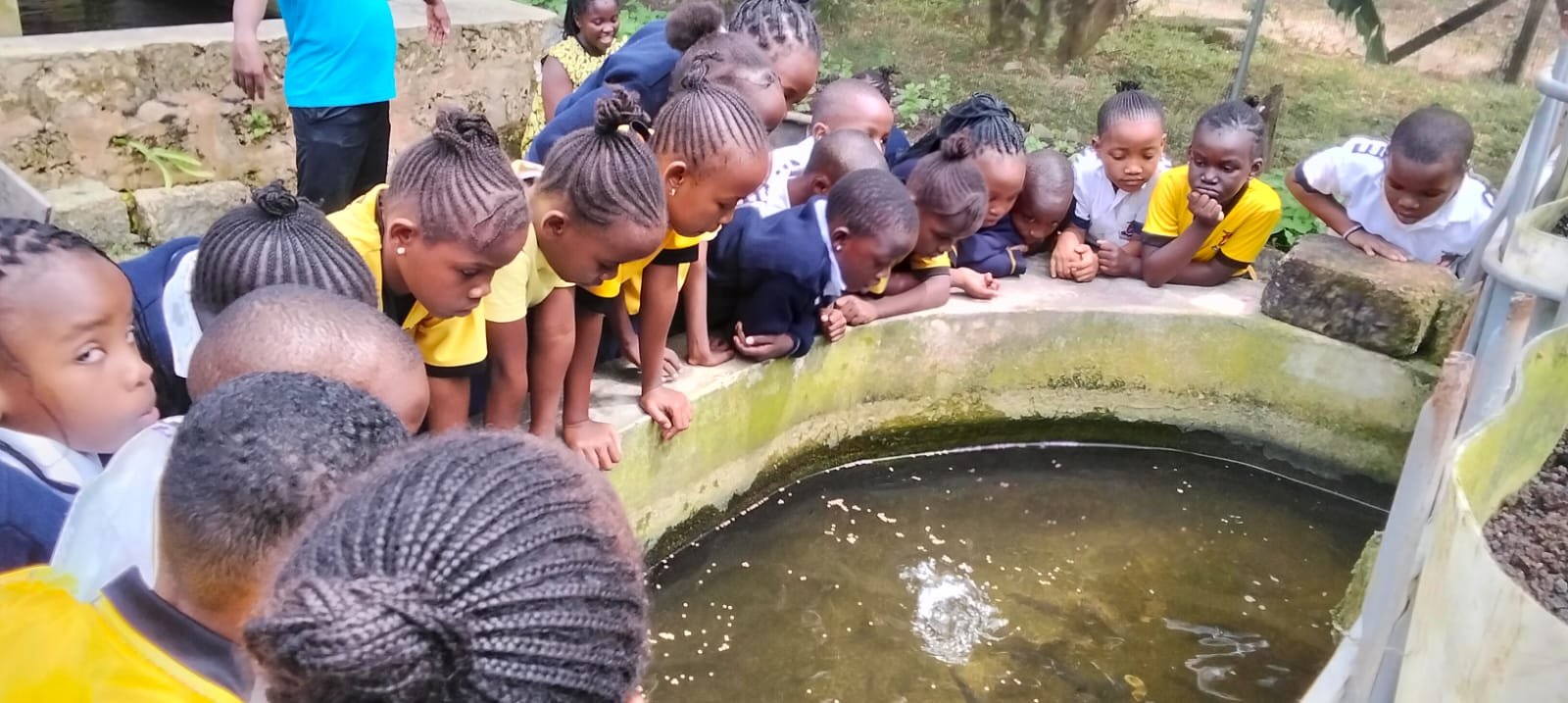
The open days provide much more than a visit outside the classroom. They allow young people and their teachers to experience sustainable agriculture first-hand and discover simple, affordable techniques that can be adopted at school or at home.
They also create valuable opportunities to share knowledge with teachers and local farmers, helping sustainable practices spread more widely through the community.
We are delighted with the success of both events and grateful to the Haller Kenya team for their hard work and careful organisation. Most importantly, we are encouraged by the enthusiasm of the students, teachers and farmers who joined us.
By opening our demonstration farms to local communities, we hope to inspire the next generation to value the natural environment, grow nutritious food and build a more resilient future.
“The visit has given us an idea of what we would like to have on our own farms, both today and in the future.”