
Water for communities and wildlife in Northern Kenya
With support from Fondation Eagle, the Milgis Trust Maji Project is helping secure reliable access to clean water for pastoralist communities, livestock and wildlife across the Milgis ecosystem.
Northern Kenya’s Milgis ecosystem is a vast and beautiful landscape surrounding the Ndoto and Lenkiyou mountain ranges. Water has always been precious here, but prolonged drought between November 2025 and April 2026 placed increasing pressure on communities, livestock and wildlife.
With funding from Fondation Eagle, the Milgis Trust Maji Project has been working to keep vital water sources operating across the region. The project maintains and rehabilitates 15 water systems, provides emergency access during periods of drought and supports wildlife through carefully planned water provision.
Over the past six months, an estimated 31,000 people across several communities have directly or indirectly benefited from this work.
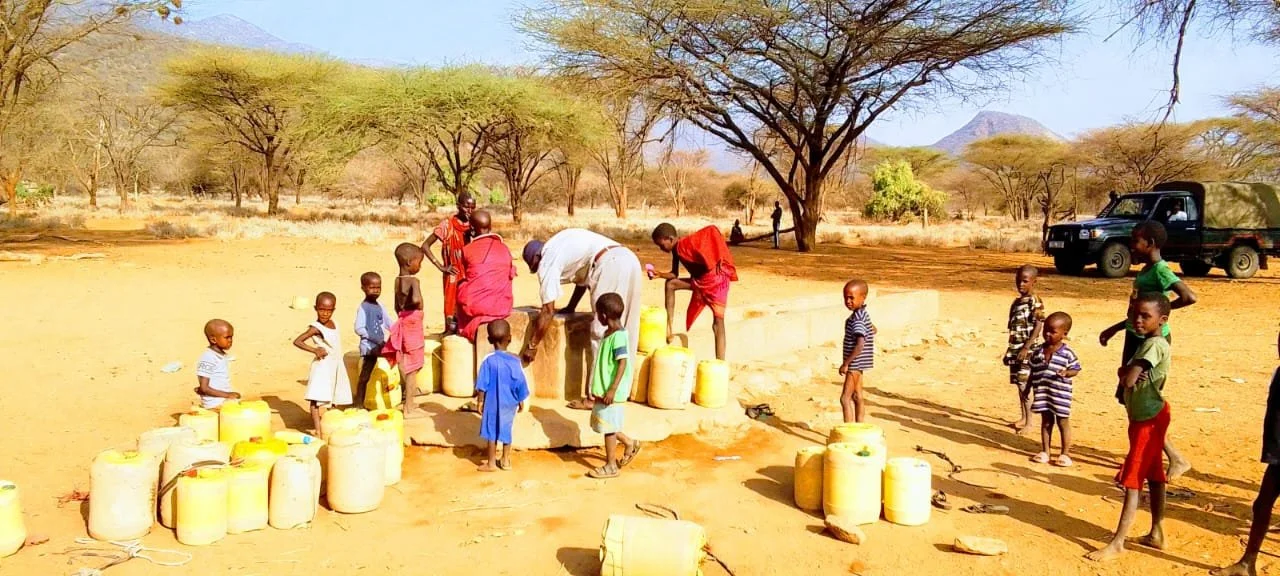
Sidai community children fetching water
Keeping essential water systems running
During the drought, several water points deteriorated due to heavy use, a build-up of mud and sediment, high salinity and damage caused by elephants searching for water.
In November, Milgis Trust water technician Muko carried out essential work at Loikumkum, restoring the pump and pipeline and cleaning the well. This brought reliable water access back to the whole community.
At Loltepes, the community’s standpipe was broken by a thirsty elephant. The team responded quickly and repaired it under the supervision of Milgis Trust Maji Manager Francis Simotwa.
Regular monitoring has been central to keeping the water systems working. Muko travelled between sites to inspect pumps, solar panels, pipelines and taps, carrying out repairs wherever they were needed. This included replacing taps in Kasipo and Lowuai, installing a new pumping system in Nkweentome and repairing taps in Latakweny and Matepes.
Protecting wildlife during drought
As rivers dried up, people began digging holes in the riverbeds to reach water beneath the surface. These open wells presented a serious danger to wildlife, particularly elephants. Tragically, three elephants died after falling into them, while others were successfully rescued. One young elephant is now being cared for at Reteti Elephant Sanctuary.
In January, an emergency well was constructed at Marti Dorop. A protective metal door was added, giving communities safe access to water while preventing animals from falling inside.
The well was a genuine collective effort, bringing the community and project team together in response to an urgent need. Most encouragingly, no elephant has fallen into a well within the project area since it was completed.
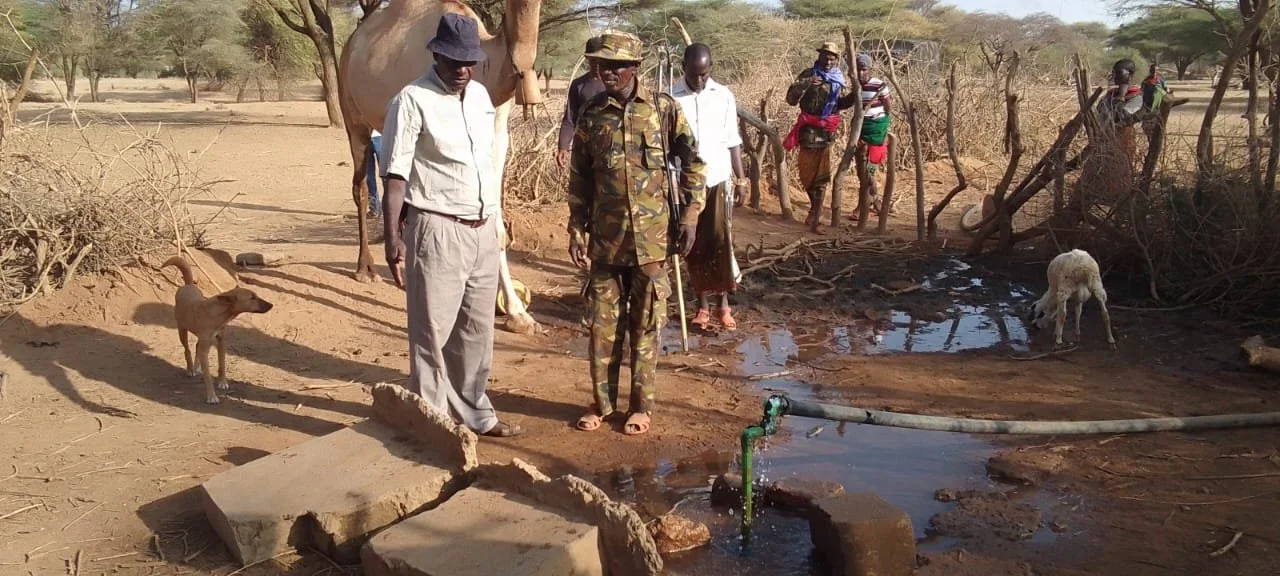
The Loltepes stand pipe was broken by a thirsty elephant but quickly repaired
Building more resilient infrastructure
The project has also invested in important upgrades to improve the long-term reliability of local water systems.
At Simiti, a failing solar-powered water system was completely replaced. Six new 285-watt solar panels were installed alongside a new controller and pump, bringing the system back into operation.
The work also helped to rebuild trust and strengthen local ownership of the project. Following discussions with the Milgis Trust, members of the Simiti community raised funds towards replacing the damaged solar panels. The Trust covered the remaining costs and managed the installation.
At Civicon, a large water trough and an additional storage tank were installed to provide an important water source for endangered Grevy’s zebras. By giving wildlife a separate place to drink, the new infrastructure should also help reduce competition between wild animals and livestock during dry periods.
A shared commitment to water
From major repairs at Loikumkum and Latakweny to the emergency well at Marti Dorop, the solar upgrade at Simiti and the wildlife trough at Civicon, the past six months have shown the importance of having a skilled local team able to respond quickly when problems arise.
Communities across the project area have expressed their appreciation for the work and their commitment to protecting and maintaining the water systems. This local involvement is vital. Reliable infrastructure depends not only on equipment and repairs, but also on strong relationships and a shared sense of responsibility.
April rains brought welcome relief. However, dependable water sources remain essential in a landscape where communities, livestock and wildlife all rely on the same limited resources.
Thanks to Fondation Eagle’s support, the Milgis Trust Maji Project is providing much more than water. It is helping communities become more resilient to drought, protecting vulnerable wildlife and supporting a healthier future for the wider Milgis ecosystem.
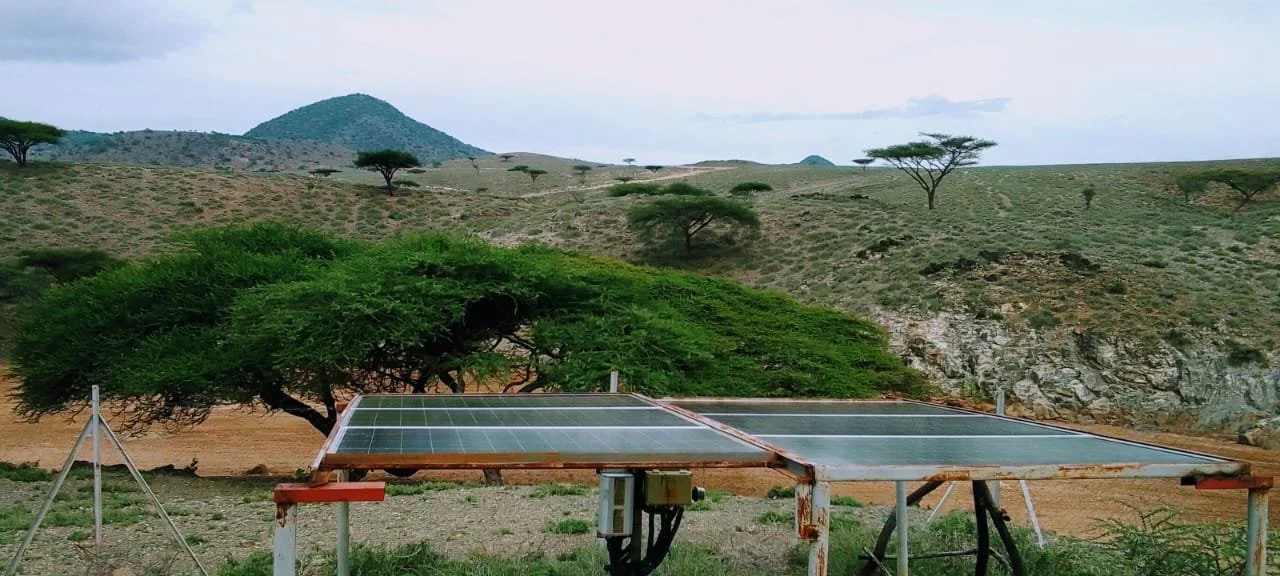
Loikumkum solar panels powering water pumps